Dongguan Yuanjia Machinery Co., Ltd.

News

NEWS

**The Advantages of Using Servo Feeders in Manufacturing Processes**

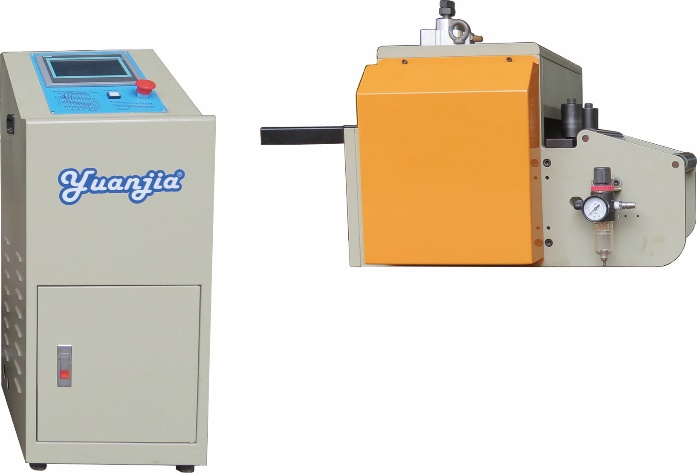
# The Advantages of Using Servo Feeders in Manufacturing Processes In the landscape of modern manufacturing, precision, efficiency, and adaptability are paramount. As industries evolve, the demand for high-quality products produced at a faster rate has led to the adoption of advanced technologies. One such innovation is the servo feeder, a sophisticated feeding unit that has gained popularity across various sectors, including the automobile manufacturing industry and the electronics sector. This article will explore the advantages of using servo feeders in manufacturing processes, focusing on their components, operational mechanics, and the benefits they bring to production lines. ## Understanding Servo Feeders Servo feeders are specialized machines that utilize servo motors to control the feeding of materials into production equipment. They function as feeding units designed to handle various types of materials, including metal coils, plastic sheets, and electronic components. The core components of a servo feeder include a control unit, a servo motor, a hopper, and sensors. – **Control Unit**: This component manages the operation of the servo motor, allowing for precise control over the feeding process. It can be programmed to adjust the speed, torque, and rotational power according to the specific requirements of the production line. – **Servo
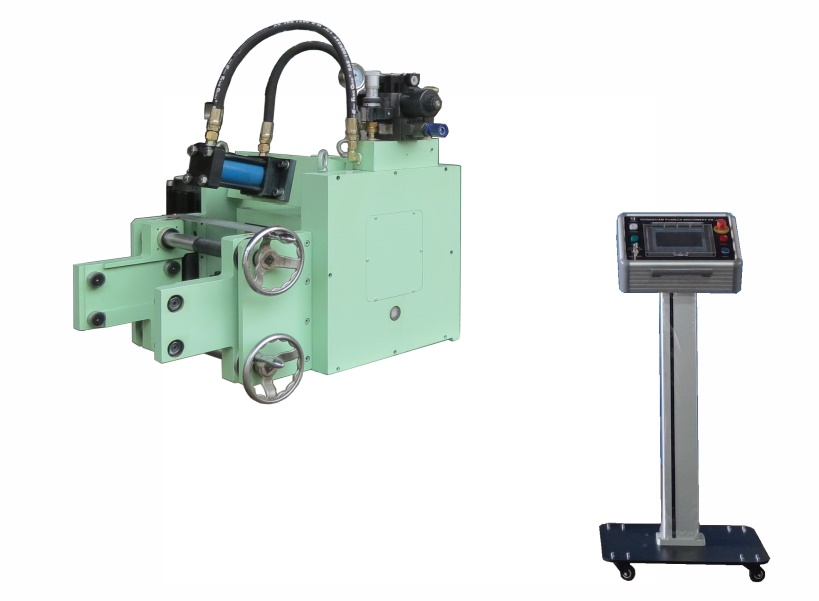
Sure! Here are some blog topic ideas related to SERVO FEEDER:

# Sure! Here are some Blog Topic Ideas Related to SERVO FEEDER **Introduction** In the fast-paced world of industrial manufacturing, precision and efficiency are paramount. The automotive manufacturing industry, in particular, demands high standards in the production of essential components such as punching parts for engines and steering systems. One of the critical elements that contribute to achieving these standards is the use of advanced feeding systems, among which hydraulic servo feeders stand out. In this blog, we’ll explore the various aspects of servo feeders, particularly focusing on NCRF – H Model, their application in thick material processing, and how they address challenges associated with traditional equipment. ## Understanding Servo Feeders Servo feeders are integral components of automated production lines, designed to accurately feed materials into machinery for processing. The NCRF – H Model is a notable advancement in this domain, specifically engineered to handle thick materials ranging from 4.0 to 10.0mm. This model not only enhances production efficiency but also ensures a stable production line—an essential factor in meeting the rigorous demands of the automotive sector. ### The Challenges of Traditional Equipment Traditional feeding equipment has served the industry well; however, it is not without its limitations. Some of

Sure! Here are some blog topic ideas related to Servo Feeder:

# Understanding Servo Feeders: A Comprehensive Guide for Enhanced Production Efficiency In today’s fast-paced manufacturing landscape, achieving precision and efficiency is paramount to maintaining a competitive edge. One of the vital elements contributing to this goal is the servo feeder. This advanced feeding unit plays a crucial role in various production processes, particularly in industries like automobile manufacturing and metal stamping. In this article, we will delve deeply into the mechanics, advantages, and applications of servo feeders, along with considerations for model selection based on material thickness and production requirements. ## What is a Servo Feeder? A servo feeder is a specialized feeding unit that utilizes a servo motor to control the movement and delivery of materials in a production line. Unlike traditional feeders that rely on pneumatic or mechanical means, servo feeders offer enhanced precision, speed, and adaptability, making them ideal for handling various materials, including metal coils. ### Key Components of a Servo Feeder 1. **Control Unit**: The control unit is the brain of the servo feeder. It processes input signals and controls the servo motor’s movements to ensure accurate feeding. It can be programmed for specific production speeds and torque requirements, allowing for greater flexibility. 2. **Servo

**Understanding Servo Feeders: What They Are and How They Work**

# Understanding Servo Feeders: What They Are and How They Work In the realm of modern manufacturing, the efficiency and accuracy of production processes play a pivotal role in meeting consumer demands and maintaining competitiveness in the market. One crucial component that has emerged as a game-changer in this context is the servo feeder. This article aims to delve into the intricacies of servo feeders, specifically focusing on the NCRF – H Model, their applications in thick material processing, and how they address traditional equipment challenges. ## What is a Servo Feeder? A servo feeder is an advanced feeding system used in various industrial applications to automate the process of material feeding. It utilizes servo motors for precise control of material advancement, ensuring accurate positioning and timing in operations such as stamping, punching, or cutting. Unlike traditional feeding systems, which often rely on mechanical drives, servo feeders offer enhanced reliability, flexibility, and speed. ### The NCRF – H Model: A Step Forward in Servo Feeding Technology The NCRF – H Model represents a significant advancement in servo feeder technology. Specifically designed for thick material processing, this model addresses the growing demands of industries such as automotive manufacturing, where materials with

**Understanding Servo Feeders: How They Work and Their Benefits in Manufacturing**

# Understanding Servo Feeders: How They Work and Their Benefits in Manufacturing In the fast-paced world of manufacturing, efficiency and precision are paramount. One of the critical components that contribute significantly to these objectives is the servo feeder. This advanced feeding unit, driven by a servo motor, revolutionizes the way materials are conveyed through production lines, particularly in industries such as automobile manufacturing and metal stamping processes. Understanding how servo feeders work, their components, and the benefits they offer can help manufacturers enhance their operations and maintain a competitive edge. ## What is a Servo Feeder? A servo feeder is an automated feeding unit designed to deliver materials in a controlled and precise manner. It employs a servo motor to adjust the feeding speed and torque, allowing for optimal material handling based on specific production requirements. This level of control makes servo feeders an indispensable part of modern manufacturing processes, especially when dealing with variations in material thickness and dimensions. ### Components of a Servo Feeder 1. **Feeding Unit**: The feeding unit is responsible for delivering materials from a hopper or storage area to the production line. It ensures a consistent flow of materials, which is crucial for maintaining production

**Top Benefits of Using Servo Feeders in Manufacturing**

# Top Benefits of Using Servo Feeders in Manufacturing In the ever-evolving landscape of manufacturing, efficiency and precision are paramount. The introduction of advanced technologies has reshaped production processes, leading to the development of innovative solutions that address traditional equipment challenges. Among these advancements, servo feeders have emerged as a game-changer, particularly in industries that demand high levels of accuracy and reliability. This article delves into the numerous benefits of using servo feeders in manufacturing, with a focus on techniques such as the NCRF (Non-Critical Role Feeder) and H Model systems, specifically in the context of thick material processing. ## Understanding Servo Feeders At their core, servo feeders are devices designed to automate the feeding of materials into processing machines, such as stamping or punching equipment. Unlike traditional mechanical or pneumatic feeders, servo feeders utilize electronic servo motors for precise control over material movement. This technology significantly enhances feeding accuracy and consistency, making it ideal for applications involving thick materials ranging from 4.0 mm to 10.0 mm in thickness. ### The Challenges of Traditional Equipment Before exploring the benefits of servo feeders, it’s essential to understand the limitations of traditional feeding equipment. Manufacturing processes involving thick materials often encounter several

**Top 5 Industries that Benefit from Servo Feeders**

# Top 5 Industries that Benefit from Servo Feeders In the fast-paced world of manufacturing, precision and efficiency are paramount. One technology that has revolutionized material handling is the servo feeder. A servo feeder is a sophisticated feeding unit equipped with a control unit that utilizes servo motors to deliver accurate material conveying along the production line. This blog will explore the top five industries that reap significant benefits from servo feeders, highlighting how they enhance production speed, dimensional accuracy, and overall operational efficiency. ## Understanding Servo Feeders Before diving into specific industries, it’s essential to understand what a servo feeder is and how it functions. At its core, a servo feeder is designed to supply materials—such as metal coils or sheets—to a production line with high precision. The main components include: – **Control Unit**: This unit manages the operations of the servo motor, ensuring precise movements and adjustments. – **Servo Motor**: The heart of the system, this motor provides accurate torque and rotational power to control the feeding process. – **Sensors**: Integrated sensors monitor the position and speed of the feeder, allowing real-time adjustments for optimal performance. – **Hopper**: Serves as the storage unit, holding raw materials before they

Here are some engaging blog topic ideas for Thin Plate Uncoiler & Leveler 2-in-1:

# Here are Some Engaging Blog Topic Ideas for Thin Plate Uncoiler & Leveler 2-in-1 In the realm of industrial production, the integration of advanced machinery plays a pivotal role in enhancing operational efficiency and product quality. One such advancement is the Thin Plate Uncoiler & Leveler 2-in-1 machine, a device that combines uncoiling and leveling functionalities into a single solution. As industries evolve, the need for high-efficiency systems that can handle thin materials with precision becomes increasingly crucial. This article explores various engaging blog topic ideas related to the YJML-V model, its applications, and benefits, while covering the keywords specified. ## 1. The Future of Industrial Production: High-Efficiency Uncoiling and Leveling Machines The industrial sector is always on the lookout for innovations that can streamline processes and improve productivity. A blog post focusing on the future of industrial production through the lens of high-efficiency uncoiling and leveling machines can highlight how these devices revolutionize material handling. Discuss the technological advancements that have led to the creation of the YJML-V model, emphasizing its role in improving throughput and reducing waste in manufacturing environments. ### Key Points to Cover: – Historical context of uncoiling and leveling machinery – Technological advancements that

**Understanding the Benefits of a Thin Plate Uncoiler & Leveler 2-in-1 System**

# Understanding the Benefits of a Thin Plate Uncoiler & Leveler 2-in-1 System In today’s fast-paced industrial landscape, efficiency is paramount. As businesses strive to optimize production processes, the adoption of innovative machinery becomes essential. One such advancement is the Thin Plate Uncoiler & Leveler 2-in-1 system. This high-efficiency machine combines two critical functions—uncoiling and leveling—into a single unit, streamlining operations and enhancing productivity. In this article, we will explore the myriad benefits of this technology, particularly the YJML-V model, examining its impact on various industries, including electronics and precision instrument manufacturing. ## The Need for High-Efficiency Solutions in Industrial Production The industrial sector faces numerous challenges, from rising material costs to increasing demands for customization. As manufacturers work to meet these challenges, they must also focus on improving product quality while maintaining cost-effectiveness. A Thin Plate Uncoiler & Leveler 2-in-1 system addresses these needs by providing an efficient means of handling thin materials that require precise processing and flatness. ### What Is a Thin Plate Uncoiler & Leveler 2-in-1 System? At its core, a Thin Plate Uncoiler & Leveler 2-in-1 system is designed to perform two critical functions: uncoiling metal sheets from coils and leveling them for further processing.

**Understanding the 3IN1 Servo Decoiler, Leveler, and Feeder System: A Comprehensive Guide**

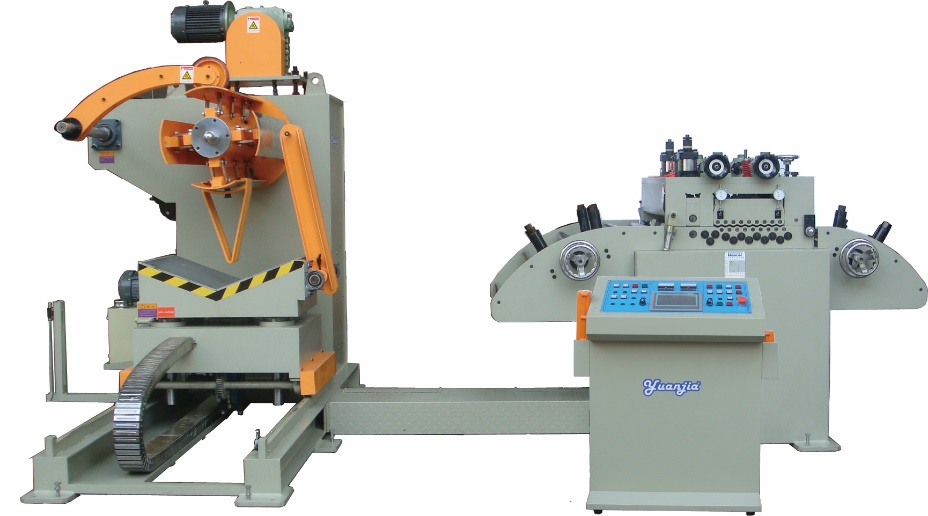
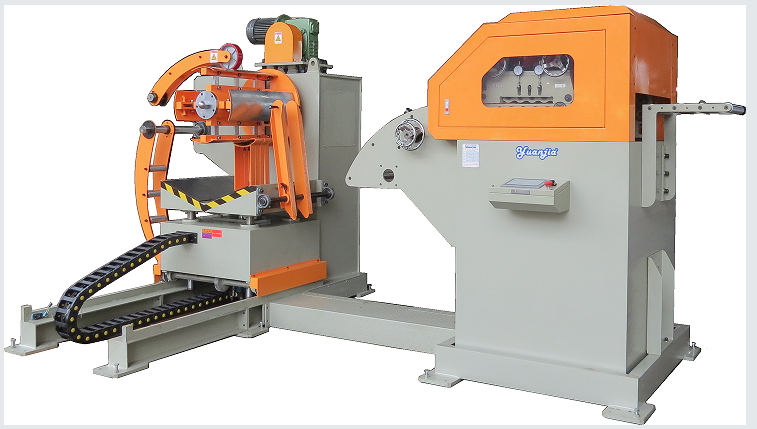
# Understanding the 3IN1 Servo Decoiler, Leveler, and Feeder System: A Comprehensive Guide In a world where manufacturing efficiency is paramount, optimizing each aspect of production is crucial. One innovative solution that has gained traction in recent years is the 3IN1 Servo Decoiler, Leveler, and Feeder System. This comprehensive guide will delve into the intricacies of this sophisticated system, explaining its components, functionalities, and benefits for modern production lines. ## What is a 3IN1 Servo Decoiler, Leveler, and Feeder System? The 3IN1 Servo Decoiler, Leveler, and Feeder System is an advanced piece of machinery designed to streamline the initial stages of metal processing. It combines three critical functions—decoiling, leveling, and feeding—into a single, compact unit. This integration not only saves space but also enhances productivity, reduces labor costs, and improves the overall efficiency of automated production lines. ### Key Functions of the 3IN1 System 1. **Decoiling**: Decoiling refers to the process of unwinding coiled material, typically metal sheets or strips, to prepare them for further processing. The decoiling function of the 3IN1 system employs Siemens servo motors, known for their precision and reliability. These motors ensure a smooth and controlled unrolling of the coil, minimizing the risk of damage and