Dongguan Yuanjia Machinery Co., Ltd.

News

NEWS

– Overview of the technology and its components.

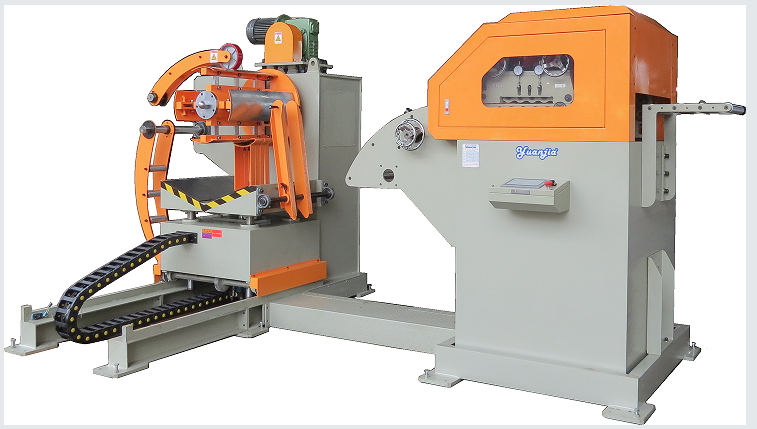
# Overview of the Technology and Its Components In the ever-evolving landscape of manufacturing, technological advancements play a crucial role in enhancing production efficiency and reducing operational costs. Among these innovations, automated systems for material handling, particularly in metal processing industries, have gained significant traction. This article provides an in-depth overview of the key components and functionalities of these technologies, focusing on decoiling, leveling, feeding functions, and their integration with advanced control systems like Siemens servo motors and PLCs. We will also explore the impact of these technologies on labor costs and production efficiency, while highlighting structural innovations that contribute to enhanced performance. ## Decoiling: The First Step in Material Processing Decoiling is the process of unrolling coated or coiled materials, typically metal sheets, into flat pieces suitable for further processing. An efficient decoiling system is pivotal as it sets the stage for subsequent operations such as leveling and cutting. Modern decoilers are designed with several features to ensure smooth operation, including: 1. **Automatic Tension Control**: This feature allows the decoiler to maintain consistent tension throughout the uncoiling process, preventing material deformation and ensuring the integrity of the sheets. 2. **Variable Speed Settings**: Adjusting the speed of the decoiling mechanism
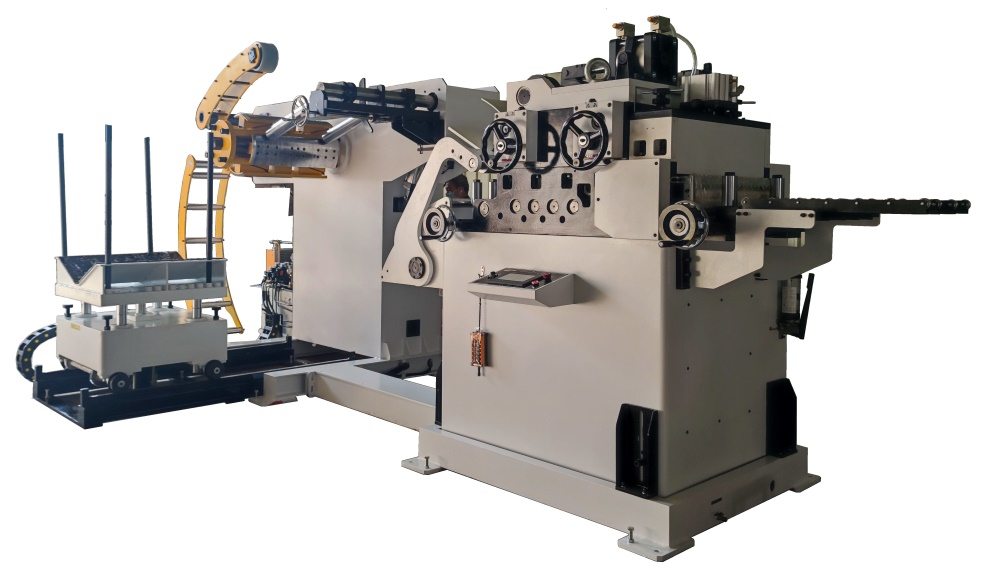
Sure! Here are some blog topic ideas for the 3IN1 Heavy Plate Servo Decoiler, Leveler, and Feeder System:

# Unveiling the 3IN1 Heavy Plate Servo Decoiler, Leveler, and Feeder System: A Comprehensive Overview of Technical Advantages In today’s fast-paced manufacturing environment, efficiency and precision are paramount. The integration of advanced machinery can significantly enhance production capabilities, minimize waste, and ensure high-quality outputs. One such innovative solution is the 3IN1 Heavy Plate Servo Decoiler, Leveler, and Feeder System. This state-of-the-art equipment combines three critical processes—decoiling, leveling, and feeding—into a single, streamlined unit, thus presenting numerous technical advantages. In this article, we will explore the intricate details of this system, emphasizing its innovative features, operational benefits, and the role it plays in modern manufacturing. ## Understanding Decoiling, Leveling, and Feeding Before delving into the specifics of the 3IN1 system, it is essential to understand the individual processes it encompasses: ### Decoiling Decoiling refers to the unrolling of coiled metal sheets or plates, preparing them for subsequent processing. This process is crucial as it ensures that the material is fed smoothly into various machines without causing damage or defects. ### Leveling Leveling involves flattening the metal sheets to eliminate any warps or bends. This is vital for ensuring that the material meets specific flatness control standards, which is particularly important in

**Revolutionizing Metal Processing: The Benefits of a 3IN1 Heavy Plate Servo Decoiler, Leveler, and Feeder System**

# Revolutionizing Metal Processing: The Benefits of a 3IN1 Heavy Plate Servo Decoiler, Leveler, and Feeder System In the ever-evolving world of metal processing, efficiency and precision are paramount. As industries demand higher throughput and tighter tolerances, technological advancements play a critical role in meeting these needs. One such advancement is the introduction of the 3IN1 Heavy Plate Servo Decoiler, Leveler, and Feeder System. This innovative system has revolutionized the way metal sheets are processed, offering a myriad of benefits that enhance productivity, reduce costs, and improve product quality. In this article, we will explore the technical advantages of this integrated solution and how it can transform your metal processing operations. ## Understanding the Components Before delving into the benefits, it’s important to understand the three core components of the 3IN1 system: decoiling, leveling, and feeding. Each component plays a vital role in preparing metal plates for further processing. ### Decoiling Decoiling is the initial step in the metal processing chain. It involves unwinding coiled metal sheets to prepare them for further manipulation. Traditional decoiling methods often lead to issues such as coil slippage, inconsistent tension, and surface damage. However, the servo-driven decoiling system in the 3IN1 unit utilizes Siemens

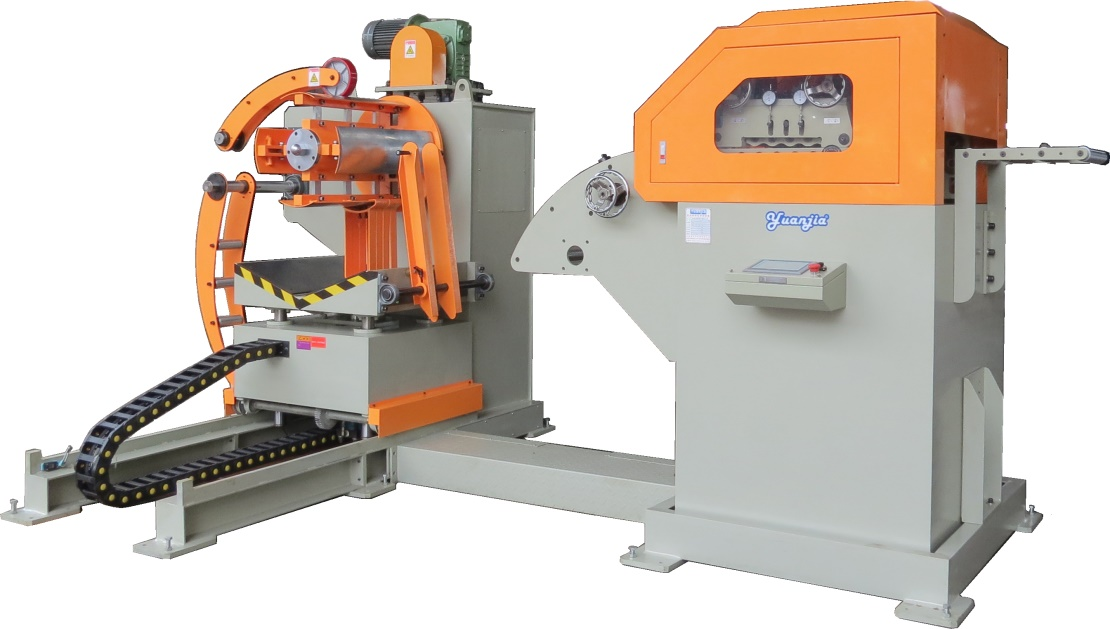
NCMH series 3-in-1 heavy plate servo decoiler straightener feeder system front view with Siemens control panel”

– Explore how this system can streamline operations and improve efficiency in metal processing.

# Exploring How Advanced Systems Can Streamline Operations and Improve Efficiency in Metal Processing In the fast-paced world of metal processing, efficiency and precision are paramount. The industry’s evolution has been significantly shaped by technological advancements, particularly in terms of automation and control systems. Today, we delve into how a modernized system equipped with technical advantages can streamline operations and enhance efficiency across various processes, including decoiling, leveling, and feeding. ## Understanding the Metal Processing Landscape Metal processing encompasses a wide range of manufacturing activities that involve the shaping, cutting, welding, and finishing of metal materials. As industries evolve, there is an increasing demand for higher accuracy, reduced waste, and faster turnaround times. This necessitates the implementation of advanced systems that can effectively manage these requirements while ensuring quality output. ## Technical Advantages of Modern Metal Processing Systems ### 1. Decoiling Efficiency Decoiling is one of the first steps in metal processing, where coils of metal are unwound for further processing. Traditional decoiling methods often struggle with speed and precision, leading to inefficiencies. By integrating modern decoiling systems that utilize Siemens servo motors, manufacturers can achieve better control over coil unwinding. These motors allow for precise adjustments in tension and

– Explore the components and functions of the system, explaining how they work together to enhance efficiency in metal processing.

# Exploring the Components and Functions of Advanced Metal Processing Systems: Enhancing Efficiency through Technology In the ever-evolving landscape of metal processing, the need for efficiency and precision has never been more critical. Modern processing systems are designed to meet the demands of rapid production cycles while ensuring high-quality output. This blog delves into the various components and functions of these advanced systems, illustrating how they work in concert to enhance efficiency in metal processing. ## Understanding Metal Processing Systems Metal processing encompasses a wide range of operations, including decoiling, leveling, cutting, and feeding. Each of these operations plays a vital role in shaping raw materials into finished products. The integration of sophisticated technologies, such as Siemens servo motors and PLC control systems, has revolutionized this domain, ensuring that every stage of production is optimized for performance. ### Key Components of Metal Processing Systems 1. **Decoiling**: Decoiling is the initial step in metal processing where coils of metal sheets are unwound for further manipulation. An efficient decoiling unit is crucial as it sets the stage for subsequent operations. Modern decoilers are equipped with features that allow for precise tension control, minimizing scrap and enhancing the overall quality of the processed

Sure! Here are some blog topic ideas for UNCOILER & LEVELER 2in1:

# Sure! Here are some Blog Topic Ideas for UNCOILER & LEVELER 2in1 In the fast-paced world of industrial production, the efficiency of material processing systems is paramount. Enter the **Uncoiler & Leveler 2-in-1** machine, a game-changing solution that streamlines operations and enhances productivity. This article delves into the intricacies of this dual-function machine, exploring its features, benefits, and applications across various sectors. ## The Evolution of Material Processing In the modern manufacturing landscape, the demand for high-efficiency machinery has never been greater. Companies are continuously seeking ways to optimize their operations, improve product quality, and reduce costs. Traditional methods of uncoiling and leveling metal sheets were often labor-intensive and time-consuming, leading to bottlenecks in production. The advent of the Uncoiler & Leveler 2-in-1 machine marks a significant innovation in this domain, combining two essential processes into one streamlined system. ### What is a Uncoiler & Leveler 2-in-1 Machine? A Uncoiler & Leveler 2-in-1 machine is designed to handle the two critical steps in metal sheet processing: uncoiling and leveling. The uncoiling process involves unwinding a coil of metal sheets, while leveling ensures that the sheets are perfectly flat and free from any deformations. Together, these functions enhance the quality

Sure! Here are some blog topic ideas related to MACHINE-HAND:

# Exploring the Future of Machine-Hand Integration: Performance Characteristics and Beyond In the rapidly evolving landscape of manufacturing and technology, the integration of machine tools with advanced hand-held control systems marks a significant shift toward automation and efficiency. The convergence of these technologies has led to the development of sophisticated solutions that enhance productivity while ensuring reliability and precision in manufacturing processes. This article delves into the essential performance characteristics of machine-hand systems, emphasizing their user-friendly interfaces, multi-segment permission management, and the backing of international first-class brands. We will also explore the global versatility of these systems, their stability in production environments, and how features like absolute servo motors, bus control, automatic position return, and absolute position protection contribute to their overall functionality. ## Understanding Machine-Hand Integration Machine-hand integration refers to the seamless collaboration between machine tools and handheld control programmers. This synergy allows operators to easily manage and control complex machinery, enhancing both operational efficiency and user experience. By leveraging intuitive designs, these systems facilitate greater control over production processes while minimizing the chances of error. ### Performance Characteristics When evaluating machine-hand systems, several key performance characteristics come into play: 1. **User-Friendly Interface**: A critical aspect of machine-hand integration

**Understanding the Basics: What is a 2-in-1 Uncoiler & Leveler?**

# Understanding the Basics: What is a 2-in-1 Uncoiler & Leveler? In today’s fast-paced industrial landscape, the demand for high-efficiency material processing equipment has never been greater. Among the various machines that have gained prominence in metalworking facilities, the 2-in-1 uncoiler and leveler stands out as a versatile solution that simplifies operations while enhancing overall productivity. This article delves into the functionalities, components, and applications of 2-in-1 uncoilers and levelers, shedding light on why they are essential in modern industrial production. ## What is a 2-in-1 Uncoiler & Leveler? As the name suggests, a 2-in-1 uncoiler and leveler is a specialized machine that combines two critical processes involved in metal sheet preparation: uncoiling and leveling. The uncoiler function is responsible for unwinding coiled metal sheets, while the leveler ensures that these sheets achieve a desired flatness and surface quality before further processing. ### Uncoiling Process The uncoiling process is vital in industries that deal with rolled metal, such as steel or aluminum manufacturing. When metal is rolled into coils, it can often retain some degree of tension and curvature due to the rolling process. This tension must be eliminated to facilitate subsequent machining, cutting, or fabrication tasks. The uncoiler’s role

**The Evolution of Machine-Hand Technology: From Concept to Reality**

# The Evolution of Machine-Hand Technology: From Concept to Reality The journey of machine-hand technology is a fascinating tale that bridges the realms of innovation, engineering, and practical application. From rudimentary beginnings to sophisticated systems, this evolution reflects the relentless pursuit of efficiency, precision, and user-friendliness in manufacturing processes. This article delves into the trajectory of machine-hand technology, examining critical performance characteristics, essential components, and their implications for modern industries. ## The Foundations of Machine-Hand Technology Machine-hand technology is rooted in the need to enhance productivity and precision in machining operations. Early machine tools were simple devices operated manually, which limited the speed and accuracy of manufacturing processes. As industries expanded, the demand for more reliable and efficient tools became paramount. This necessity led to the development of automated machine tools equipped with advanced control systems that could significantly reduce human error and fatigue. ### Key Components of Machine-Hand Technology 1. **Absolute Servo Motor**: At the heart of many modern machine tools lies the absolute servo motor. Unlike traditional motors that require homing or reference points, absolute servo motors provide continuous position feedback. This capability enhances accuracy and reduces downtime, as the system does not need to recalibrate after power

– An introductory guide to the equipment, its components, and its functions.

# An Introductory Guide to the Equipment, Its Components, and Its Functions In the modern landscape of industrial production, efficiency and precision are paramount. As manufacturers strive to optimize their processes, specialized machinery has emerged as a critical component in achieving these goals. Among such innovations is the two-in-one machine designed for high-efficiency uncoiling and leveling of metal sheets. This guide aims to provide a comprehensive overview of this equipment, detailing its components, functions, and the significance of its role in material processing. ## Understanding the Two-in-One Machine The two-in-one machine combines uncoiling and leveling functions into a single unit, streamlining the workflow in industries that require processing of metal sheets. It significantly enhances productivity by minimizing the need for multiple machines, thus saving valuable floor space and reducing operational costs. The versatility of such machines makes them suitable for various applications ranging from automotive manufacturing to construction and appliance production. ### Core Components of the Two-in-One Machine To fully appreciate the functionality of a two-in-one machine, it is essential to understand its key components: 1. **Uncoiling Mechanism**: – The uncoiling mechanism is designed to handle coils of metal sheets efficiently. It ensures that the material is fed into the