Dongguan Yuanjia Machinery Co., Ltd.

News

NEWS

Sure! Here are some blog topic ideas for LIFT STACKE:

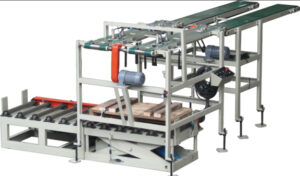
# Blog Title: “Unlocking Innovation: Customized Stackers for Every Need” ## Introduction In the fast-paced world of manufacturing and logistics, the efficiency of operations is paramount. One tool that has proven invaluable in optimizing workflow is the stacker. However, not all stackers are created equal. With the growing demand for customized solutions, businesses are recognizing the importance of tailored stackers that meet their specific needs. In this blog post, we will explore various aspects of customized stackers—focusing on design, shape, size, material thickness, automatic blanking types, magnetic types, and the integration of robots. ## Understanding Customized Stackers Customized stackers are versatile tools designed to enhance the functionality of storage and distribution processes. These stackers can be modified based on several parameters, allowing organizations to design a solution that aligns perfectly with their operational requirements. ### Design Flexibility One of the most significant advantages of customized stackers is their design flexibility. Businesses can choose from a wide range of designs depending on their specific applications. For instance, a food processing plant may require stackers that comply with hygiene standards, while an automotive factory may need robust designs that can handle heavy loads. The design process begins with a thorough analysis of
**Understanding LIFT STACKE: A Comprehensive Guide to Its Features and Benefits**

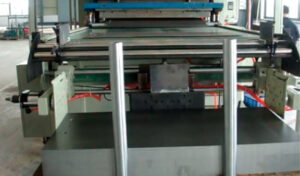
# Understanding LIFT STACKE: A Comprehensive Guide to Its Features and Benefits In an era where efficiency, customization, and automation dominate industrial operations, the need for advanced technological solutions is paramount. One such innovation that has gained traction in manufacturing and logistics is the LIFT STACKE system. This comprehensive guide aims to dissect the features and benefits of LIFT STACKE, focusing on its customized product options, design flexibility, stackers, various shapes and sizes, material thickness, automatic blanking types, magnetic types, and the integration of robotics. ## What is LIFT STACKE? LIFT STACKE refers to an innovative stacking solution designed to optimize storage and retrieval processes in warehouses, factories, and distribution centers. It integrates cutting-edge technology with user-friendly design principles, allowing for seamless operation across various industries. The LIFT STACKE system is versatile and adaptable, making it suitable for a wide range of applications—whether you’re dealing with small parts or large components. ### Customization: Tailoring to Specific Needs One of the standout features of LIFT STACKE is its emphasis on customizability. Organizations have unique operational requirements, and a one-size-fits-all approach often falls short. LIFT STACKE allows businesses to customize their stacking systems based on: – **Product Dimensions**: Different industries have specific

**How LIFT STACKE is Revolutionizing Logistics and Warehousing**

# How LIFT STACKE is Revolutionizing Logistics and Warehousing In an era where efficiency and adaptability are paramount, the logistics and warehousing industry finds itself at a pivotal crossroads. Rapid technological advancements are reshaping conventional practices, necessitating innovative solutions that can meet the complex demands of modern supply chains. Among the leading contributors to this evolution is LIFT STACKE, a company dedicated to revolutionizing logistics through customized products designed to enhance operational efficiency. This article delves into how LIFT STACKE is transforming the landscape of logistics and warehousing, focusing on their unique approaches to stackers, design, and automation. ## Understanding the Need for Customization in Logistics The logistics and warehousing sectors are characterized by diverse operational needs influenced by factors such as product type, storage space, and handling requirements. One-size-fits-all solutions often fall short, leading to inefficiencies, increased costs, and unsatisfied customers. Recognizing this challenge, LIFT STACKE has made it their mission to provide customized products that cater to the specific needs of each client. ### The Role of Stackers in Modern Warehousing Stackers play a crucial role in optimizing warehouse operations. These machines are designed to lift and stack goods efficiently, maximizing vertical space and minimizing manual labor. Traditional

Sure! Here are some engaging blog topic ideas centered around High Speed Gear Change Type Feeder:

# Engaging Blog Topic Ideas Centered Around High-Speed Gear Change Type Feeder In today’s fast-paced manufacturing environment, the demand for efficiency and precision is greater than ever. As industries strive for high-speed operations, the need for advanced machinery, such as high-speed gear change type feeders, becomes more critical. This article explores various engaging blog topic ideas centered around these innovative devices, focusing on their applications in sectors like motor stator and rotor stamping, transformer EI sheet production, and mass stamping production. ## Understanding High-Speed Gear Change Type Feeders Before diving into specific topics, it’s essential to understand what a high-speed gear change type feeder is. These feeders are designed to provide precise and consistent feeding of materials during the manufacturing process. They can significantly enhance productivity and efficiency, particularly in high-demand environments where mass stamping production is common. ### The Role of High-Speed Operation in Manufacturing 1. **Maximizing Production Cycle Efficiency** High-speed gear change type feeders allow manufacturers to optimize their production cycles. By ensuring accurate feeding at rapid speeds, they contribute to shorter cycle times, which is crucial in large-scale production scenarios. A blog post could delve into how the implementation of these feeders has led to increased output

**Understanding High Speed Gear Change Type Feeders: A Comprehensive Guide**

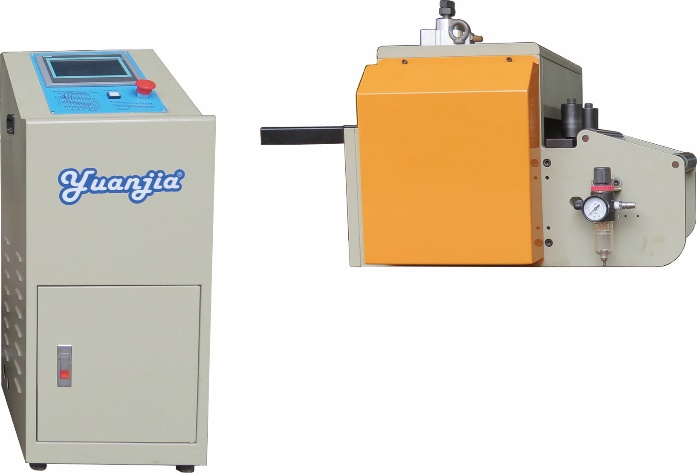
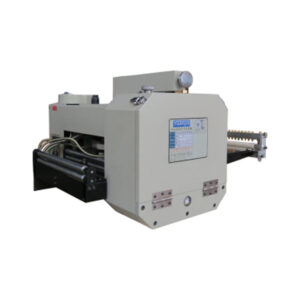
# Understanding High-Speed Gear Change Type Feeders: A Comprehensive Guide In today’s competitive manufacturing landscape, the demand for efficient production systems has never been higher. Among the various pieces of equipment that facilitate this efficiency, high-speed gear change type feeders stand out as crucial components in the mass stamping production of various products, including motor stators, rotors, and transformer EI sheet products. This comprehensive guide will delve into the mechanics, advantages, and applications of these feeders, while also exploring their role in high-speed operations and the broader implications for market competition. ## What Are High-Speed Gear Change Type Feeders? High-speed gear change type feeders are specialized devices used to supply raw materials to a stamping machine or punch press at high speeds. These feeders are designed to ensure that materials are delivered accurately and consistently, which is essential for mass production processes. The primary advantage of these feeders lies in their ability to perform intermittent feeding with precision, thus optimizing the production cycle. ### Components of High-Speed Gear Change Type Feeders 1. **Precision Transmission**: At the heart of any high-speed feeder is its transmission system. This system is designed to handle rapid changes in speed and direction with minimal backlash,

**Top Benefits of Implementing High Speed Gear Change Type Feeders in Manufacturing**

# Top Benefits of Implementing High-Speed Gear Change Type Feeders in Manufacturing In the ever-evolving landscape of manufacturing, the demand for efficiency, precision, and speed is paramount. With increasing market competition and consumer expectations for timely order delivery, manufacturers must turn to innovative technologies that can enhance their production processes. One such innovation is the high-speed gear change type feeder, which has emerged as a game-changer in various manufacturing sectors, particularly in mass stamping production. This article delves into the top benefits of implementing these advanced feeders, exploring how they contribute to efficient production, high-speed operation, and overall enhanced output in industries such as motor stator and rotor stamping, as well as transformer EI sheet products. ## Understanding High-Speed Gear Change Type Feeders High-speed gear change type feeders are designed to provide accurate, reliable, and rapid feeding of materials to stamping machines. They utilize a gear mechanism that allows for quick adjustments to operational speeds, accommodating varying production needs while maintaining high levels of precision. These feeders are particularly beneficial in applications involving high-speed punch presses, where the demands for speed and accuracy are critical. ## 1. Enhanced Production Efficiency One of the most significant benefits of high-speed gear change

Sure! Here are some blog topic ideas focused on High Speed Uncoiler & Straightener:

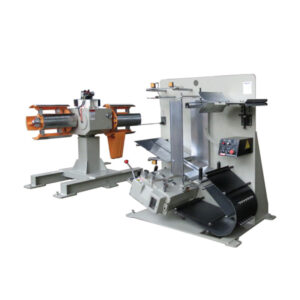
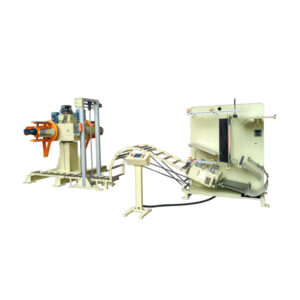
# High-Speed Uncoiler & Straightener: Revolutionizing Manufacturing Efficiency In the rapidly evolving landscape of manufacturing and metal processing, the demand for high operational efficiency and precision is paramount. One of the critical components that facilitate these requirements is the high-speed uncoiler and straightener, particularly in applications involving motor cores and EI sheets. This blog explores the intricacies of high-speed uncoilers and straighteners, focusing on the SFS series and how advancements in technology can optimize production efficiency. ## Understanding High-Speed Uncoilers and Straighteners High-speed uncoilers and straighteners play a vital role in modern stamping operations. They are designed to unwind coiled metal sheets and straighten them for subsequent processes, such as stamping, cutting, or forming. The SFS series, known for its reliability and advanced features, stands out as a key player in this domain. ### Key Features of the SFS Series 1. **Double-head Uncoiler**: The SFS series often incorporates a double-head uncoiler, which allows for uninterrupted production. This feature enables operators to switch coils without halting the machinery, significantly improving production flow and efficiency. 2. **S-Type Leveler**: The S-type leveler is an innovative design that ensures consistent flattening of the material. This mechanism is crucial for preventing defects in the finished

**Understanding the Basics: What is a High Speed Uncoiler & Straightener?**

# Understanding the Basics: What is a High Speed Uncoiler & Straightener? In the world of manufacturing, particularly in high-speed stamping operations, the efficiency of material handling plays a crucial role in overall production performance. One of the vital components that facilitate this efficiency is the high-speed uncoiler and straightener. This equipment is essential for preparing metal strips for further processing, such as stamping motor cores or forming EI sheets. In this article, we will delve into the fundamentals of high-speed uncoilers and straighteners, focusing on their functionalities, types, and benefits, with particular attention to the SFS series. ## What is a High-Speed Uncoiler & Straightener? A high-speed uncoiler and straightener is a specialized machine that serves two primary functions: unwinding metal coils and straightening them for downstream processes. This dual function dramatically enhances the workflow in production lines, especially where precision and speed are paramount. The uncoiler feeds the raw material into the production line, while the straightener ensures that the metal strips are flat and free of any distortion, which is critical for subsequent stamping operations. ### Key Components 1. **Uncoiler Mechanism**: This part of the machine is responsible for unwinding the coil. Depending on the design, it

**Understanding Servo Feeders: How They Work and Their Applications**

# Understanding Servo Feeders: How They Work and Their Applications In the fast-paced world of manufacturing, precision and efficiency are paramount. As production techniques evolve, the quest for optimal solutions has led to the development of advanced machinery tailored to specific needs. Among these innovations, servo feeders have emerged as vital components that enhance operational capabilities across various industries. This article delves into the mechanics of servo feeders, their components, and their applications in different sectors, particularly focusing on the automobile and electronics industries. ## What is a Servo Feeder? A servo feeder is an automated feeding unit designed to transport materials with remarkable precision and control. Unlike traditional mechanical feeders that rely on fixed mechanisms, servo feeders utilize servo motors, which offer enhanced flexibility, speed, and torque control. This makes them especially suitable for applications requiring high dimensional accuracy and stability in quality. ### Key Components of a Servo Feeder 1. **Feeding Unit**: The feeding unit is responsible for delivering the material from the hopper or storage area to the production line. It can be configured to handle a wide variety of materials, including metal coils, plastic sheets, and other raw goods, depending on the application. 2. **Control Unit**:

– An introductory post explaining the function and importance of these machines in metal processing.

# Understanding the SFS Series: The Backbone of High-Speed Stamping in Metal Processing In today’s fast-paced manufacturing landscape, precision and efficiency are not merely advantages; they are prerequisites for success. One of the critical components that contribute to this efficiency in metal processing is the high-speed stamping machine, particularly exemplified by the SFS series. This introductory post will delve into the function and importance of these machines, exploring their advanced features, applications, and the critical role they play in producing essential components such as motor cores and EI sheets. ## What is the SFS Series? The SFS series represents a line of high-speed stamping machines designed to meet the rigorous demands of modern metal processing. These machines are engineered to achieve both high operational speed and precision, making them indispensable in sectors such as automotive, electronics, and general manufacturing. ### Functionality of the SFS Series At its core, the SFS series operates through a high-speed stamping process, which involves the use of a die to cut or form metal sheets into specified shapes. The efficiency of this process is greatly enhanced by several integral components: 1. **Double-Head Uncoiler**: This innovative feature allows for seamless material feeding, ensuring that the stamping