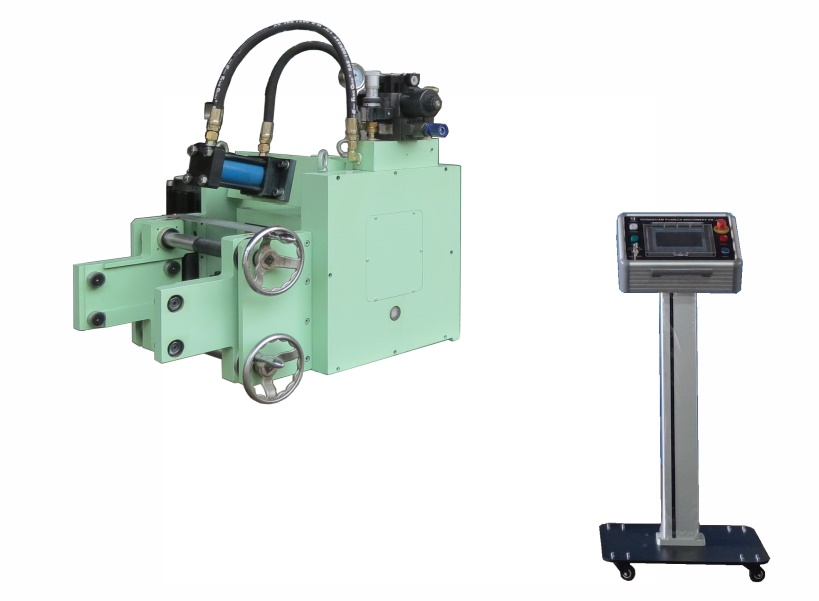
**Servo Feeders vs. Traditional Feeders: Which is Right for Your Business?**
# Servo Feeders vs. Traditional Feeders: Which is Right for Your Business? In the highly competitive landscape of manufacturing, particularly in sectors such as automotive and heavy machinery, the efficiency and precision of production processes can make or break a business. Among the various elements that contribute to this efficiency is the feeder system used in the material processing phase. Companies often find themselves at a crossroads when deciding between traditional feeders and modern servo feeders. In this article, we will explore the differences between these two systems, examine the challenges associated with traditional equipment, and highlight the advantages of hydraulic servo feeders, particularly in thick material processing. ## Understanding the Basics: Traditional Feeders Traditional feeders have been the backbone of many manufacturing processes for decades. These mechanical devices work by using a series of belts, rollers, or other mechanisms to feed material into machines like hydraulic presses or fine blanking presses. While reliable, traditional feeders can face significant challenges, especially when it comes to handling thicker materials ranging from 4.0 to 10.0 mm. ### Challenges of Traditional Equipment 1. **Feeding Slippage**: One of the most common issues encountered with traditional feeders is feeding slippage. This occurs when the material