Dongguan Yuanjia Machinery Co.

Noticias

NOTICIAS

**Ventajas del uso de servoalimentadores en los procesos de fabricación**

# The Advantages of Using Servo Feeders in Manufacturing Processes In the landscape of modern manufacturing, precision, efficiency, and adaptability are paramount. As industries evolve, the demand for high-quality products produced at a faster rate has led to the adoption of advanced technologies. One such innovation is the servo feeder, a sophisticated feeding unit that has gained popularity across various sectors, including the automobile manufacturing industry and the electronics sector. This article will explore the advantages of using servo feeders in manufacturing processes, focusing on their components, operational mechanics, and the benefits they bring to production lines. ## Understanding Servo Feeders Servo feeders are specialized machines that utilize servo motors to control the feeding of materials into production equipment. They function as feeding units designed to handle various types of materials, including metal coils, plastic sheets, and electronic components. The core components of a servo feeder include a control unit, a servo motor, a hopper, and sensors. – **Control Unit**: This component manages the operation of the servo motor, allowing for precise control over the feeding process. It can be programmed to adjust the speed, torque, and rotational power according to the specific requirements of the production line. – **Servo
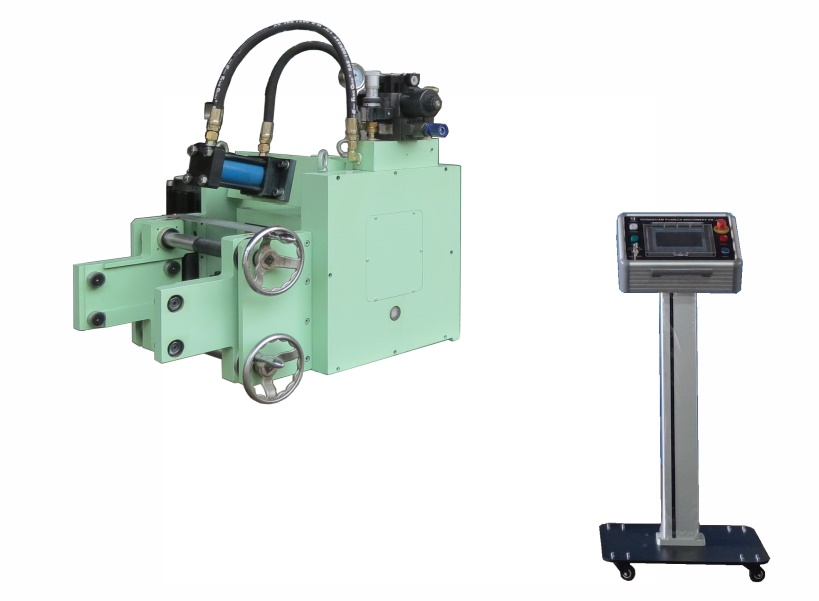
Claro! Aquí hay algunas ideas de temas de blog relacionados con SERVO FEEDER:

# ¡Claro! Aquí tiene algunas ideas de temas de blog relacionados con SERVO FEEDER **Introducción** En el vertiginoso mundo de la fabricación industrial, la precisión y la eficacia son primordiales. La industria de fabricación de automóviles, en particular, exige altos estándares en la producción de componentes esenciales como piezas de punzonado para motores y sistemas de dirección. Uno de los elementos críticos que contribuyen a alcanzar estos estándares es el uso de sistemas de alimentación avanzados, entre los que destacan los servoalimentadores hidráulicos. En este blog, exploraremos los diversos aspectos de los servoalimentadores, centrándonos especialmente en el modelo NCRF - H, su aplicación en el procesamiento de materiales gruesos y cómo resuelven los retos asociados a los equipos tradicionales. ## Descripción de los servoalimentadores Los servoalimentadores son componentes integrales de las líneas de producción automatizadas, diseñados para introducir materiales con precisión en la maquinaria para su procesamiento. El modelo NCRF - H es un avance notable en este campo, diseñado específicamente para manipular materiales gruesos de entre 4,0 y 10,0 mm. Este modelo no sólo mejora la eficacia de la producción, sino que también garantiza una línea de producción estable, un factor esencial para satisfacer las rigurosas exigencias del sector de la automoción. ### Los retos de los equipos tradicionales Los equipos de alimentación tradicionales han prestado un buen servicio a la industria; sin embargo, no están exentos de limitaciones. Algunas de

Claro! Aquí hay algunas ideas de temas de blog relacionados con Servo Feeder:

# Understanding Servo Feeders: A Comprehensive Guide for Enhanced Production Efficiency In today’s fast-paced manufacturing landscape, achieving precision and efficiency is paramount to maintaining a competitive edge. One of the vital elements contributing to this goal is the servo feeder. This advanced feeding unit plays a crucial role in various production processes, particularly in industries like automobile manufacturing and metal stamping. In this article, we will delve deeply into the mechanics, advantages, and applications of servo feeders, along with considerations for model selection based on material thickness and production requirements. ## What is a Servo Feeder? A servo feeder is a specialized feeding unit that utilizes a servo motor to control the movement and delivery of materials in a production line. Unlike traditional feeders that rely on pneumatic or mechanical means, servo feeders offer enhanced precision, speed, and adaptability, making them ideal for handling various materials, including metal coils. ### Key Components of a Servo Feeder 1. **Control Unit**: The control unit is the brain of the servo feeder. It processes input signals and controls the servo motor’s movements to ensure accurate feeding. It can be programmed for specific production speeds and torque requirements, allowing for greater flexibility. 2. **Servo

**Comprender los servoalimentadores: Qué son y cómo funcionan**

# Comprender los servoalimentadores: Qué son y cómo funcionan En el ámbito de la fabricación moderna, la eficacia y precisión de los procesos de producción desempeñan un papel fundamental para satisfacer las demandas de los consumidores y mantener la competitividad en el mercado. Un componente crucial que ha cambiado las reglas del juego en este contexto es el servoalimentador. Este artículo pretende ahondar en los entresijos de los servoalimentadores, centrándose específicamente en el modelo NCRF - H, sus aplicaciones en el procesamiento de materiales gruesos y cómo abordan los retos tradicionales de los equipos. ## ¿Qué es un servoalimentador? Un servoalimentador es un sistema de alimentación avanzado que se utiliza en diversas aplicaciones industriales para automatizar el proceso de alimentación de material. Utiliza servomotores para controlar con precisión el avance del material, garantizando un posicionamiento y una sincronización exactos en operaciones como el estampado, el punzonado o el corte. A diferencia de los sistemas de alimentación tradicionales, que suelen depender de accionamientos mecánicos, los servoalimentadores ofrecen mayor fiabilidad, flexibilidad y velocidad. ### El modelo NCRF - H: Un paso adelante en la tecnología de servoalimentación El modelo NCRF - H representa un avance significativo en la tecnología de servoalimentación. Específicamente diseñado para el procesamiento de materiales gruesos, este modelo responde a las crecientes demandas de industrias como la fabricación de automóviles, donde los materiales con

**Comprender los servoalimentadores: Cómo funcionan y sus ventajas en la fabricación**

# Understanding Servo Feeders: How They Work and Their Benefits in Manufacturing In the fast-paced world of manufacturing, efficiency and precision are paramount. One of the critical components that contribute significantly to these objectives is the servo feeder. This advanced feeding unit, driven by a servo motor, revolutionizes the way materials are conveyed through production lines, particularly in industries such as automobile manufacturing and metal stamping processes. Understanding how servo feeders work, their components, and the benefits they offer can help manufacturers enhance their operations and maintain a competitive edge. ## What is a Servo Feeder? A servo feeder is an automated feeding unit designed to deliver materials in a controlled and precise manner. It employs a servo motor to adjust the feeding speed and torque, allowing for optimal material handling based on specific production requirements. This level of control makes servo feeders an indispensable part of modern manufacturing processes, especially when dealing with variations in material thickness and dimensions. ### Components of a Servo Feeder 1. **Feeding Unit**: The feeding unit is responsible for delivering materials from a hopper or storage area to the production line. It ensures a consistent flow of materials, which is crucial for maintaining production

**Principales ventajas del uso de servoalimentadores en la fabricación**

# Principales ventajas del uso de servoalimentadores en la fabricación En el panorama en constante evolución de la fabricación, la eficacia y la precisión son primordiales. La introducción de tecnologías avanzadas ha reconfigurado los procesos de producción, dando lugar al desarrollo de soluciones innovadoras que abordan los retos tradicionales de los equipos. Entre estos avances, los servoalimentadores han cambiado las reglas del juego, sobre todo en industrias que exigen altos niveles de precisión y fiabilidad. Este artículo profundiza en las numerosas ventajas de utilizar servoalimentadores en la fabricación, centrándose en técnicas como los sistemas NCRF (Non-Critical Role Feeder) y H Model, concretamente en el contexto del procesamiento de materiales gruesos. ## Comprensión de los servoalimentadores En esencia, los servoalimentadores son dispositivos diseñados para automatizar la alimentación de materiales en máquinas de procesamiento, como equipos de estampado o punzonado. A diferencia de los alimentadores mecánicos o neumáticos tradicionales, los servoalimentadores utilizan servomotores electrónicos para controlar con precisión el movimiento del material. Esta tecnología mejora significativamente la precisión y consistencia de la alimentación, por lo que resulta ideal para aplicaciones con materiales gruesos de entre 4,0 mm y 10,0 mm de grosor. ### Los retos de los equipos tradicionales Antes de explorar las ventajas de los servoalimentadores, es esencial comprender las limitaciones de los equipos de alimentación tradicionales. Los procesos de fabricación en los que intervienen materiales gruesos suelen encontrarse con varios

**Las 5 industrias que más se benefician de los servoalimentadores**

# Top 5 Industries that Benefit from Servo Feeders In the fast-paced world of manufacturing, precision and efficiency are paramount. One technology that has revolutionized material handling is the servo feeder. A servo feeder is a sophisticated feeding unit equipped with a control unit that utilizes servo motors to deliver accurate material conveying along the production line. This blog will explore the top five industries that reap significant benefits from servo feeders, highlighting how they enhance production speed, dimensional accuracy, and overall operational efficiency. ## Understanding Servo Feeders Before diving into specific industries, it’s essential to understand what a servo feeder is and how it functions. At its core, a servo feeder is designed to supply materials—such as metal coils or sheets—to a production line with high precision. The main components include: – **Control Unit**: This unit manages the operations of the servo motor, ensuring precise movements and adjustments. – **Servo Motor**: The heart of the system, this motor provides accurate torque and rotational power to control the feeding process. – **Sensors**: Integrated sensors monitor the position and speed of the feeder, allowing real-time adjustments for optimal performance. – **Hopper**: Serves as the storage unit, holding raw materials before they

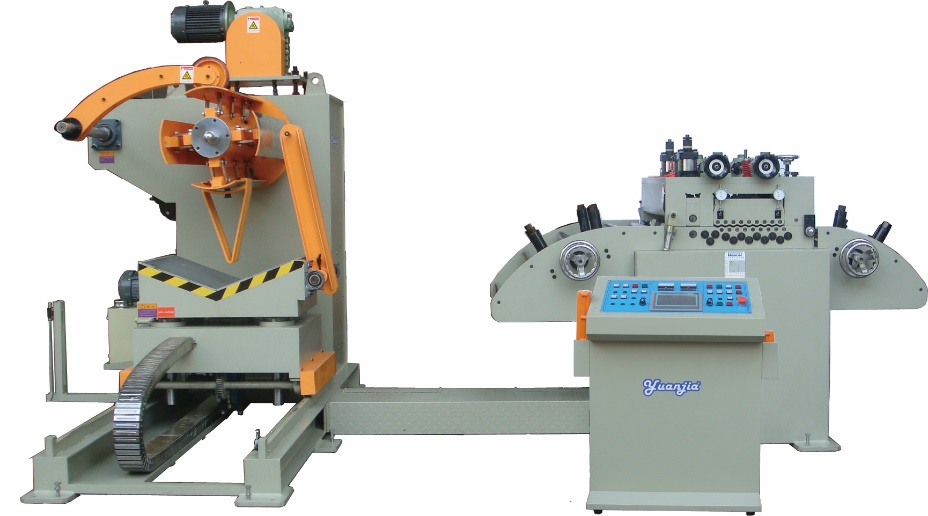
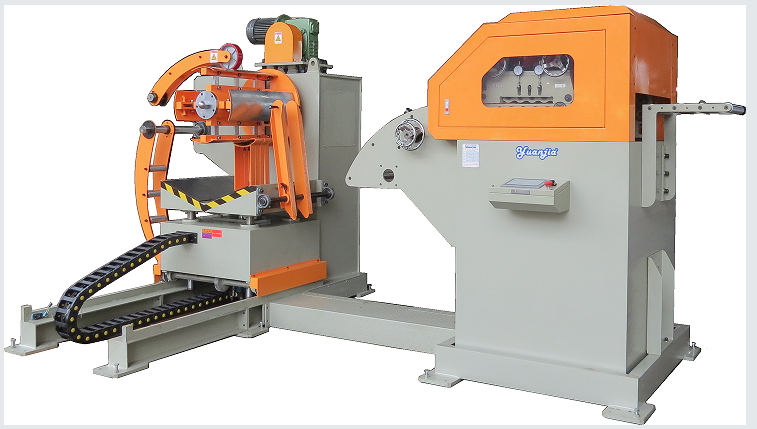
2-in-1 uncoiler & leveler synchronizes with servo feeder for full automatic stamping processing and production.

Aquí encontrará algunas ideas atractivas sobre temas de blog para Desenrollador y nivelador de chapa fina 2 en 1:

# Here are Some Engaging Blog Topic Ideas for Thin Plate Uncoiler & Leveler 2-in-1 In the realm of industrial production, the integration of advanced machinery plays a pivotal role in enhancing operational efficiency and product quality. One such advancement is the Thin Plate Uncoiler & Leveler 2-in-1 machine, a device that combines uncoiling and leveling functionalities into a single solution. As industries evolve, the need for high-efficiency systems that can handle thin materials with precision becomes increasingly crucial. This article explores various engaging blog topic ideas related to the YJML-V model, its applications, and benefits, while covering the keywords specified. ## 1. The Future of Industrial Production: High-Efficiency Uncoiling and Leveling Machines The industrial sector is always on the lookout for innovations that can streamline processes and improve productivity. A blog post focusing on the future of industrial production through the lens of high-efficiency uncoiling and leveling machines can highlight how these devices revolutionize material handling. Discuss the technological advancements that have led to the creation of the YJML-V model, emphasizing its role in improving throughput and reducing waste in manufacturing environments. ### Key Points to Cover: – Historical context of uncoiling and leveling machinery – Technological advancements that

2-in-1 uncoiler & leveler synchronizes with servo feeder for full automatic stamping processing and production.

**Comprender las ventajas de un sistema 2 en 1 de desenrolladora y niveladora de chapas finas**

# Understanding the Benefits of a Thin Plate Uncoiler & Leveler 2-in-1 System In today’s fast-paced industrial landscape, efficiency is paramount. As businesses strive to optimize production processes, the adoption of innovative machinery becomes essential. One such advancement is the Thin Plate Uncoiler & Leveler 2-in-1 system. This high-efficiency machine combines two critical functions—uncoiling and leveling—into a single unit, streamlining operations and enhancing productivity. In this article, we will explore the myriad benefits of this technology, particularly the YJML-V model, examining its impact on various industries, including electronics and precision instrument manufacturing. ## The Need for High-Efficiency Solutions in Industrial Production The industrial sector faces numerous challenges, from rising material costs to increasing demands for customization. As manufacturers work to meet these challenges, they must also focus on improving product quality while maintaining cost-effectiveness. A Thin Plate Uncoiler & Leveler 2-in-1 system addresses these needs by providing an efficient means of handling thin materials that require precise processing and flatness. ### What Is a Thin Plate Uncoiler & Leveler 2-in-1 System? At its core, a Thin Plate Uncoiler & Leveler 2-in-1 system is designed to perform two critical functions: uncoiling metal sheets from coils and leveling them for further processing.

**Comprensión del sistema de servo devanadora, niveladora y alimentadora 3IN1: Una guía completa**

# Understanding the 3IN1 Servo Decoiler, Leveler, and Feeder System: A Comprehensive Guide In a world where manufacturing efficiency is paramount, optimizing each aspect of production is crucial. One innovative solution that has gained traction in recent years is the 3IN1 Servo Decoiler, Leveler, and Feeder System. This comprehensive guide will delve into the intricacies of this sophisticated system, explaining its components, functionalities, and benefits for modern production lines. ## What is a 3IN1 Servo Decoiler, Leveler, and Feeder System? The 3IN1 Servo Decoiler, Leveler, and Feeder System is an advanced piece of machinery designed to streamline the initial stages of metal processing. It combines three critical functions—decoiling, leveling, and feeding—into a single, compact unit. This integration not only saves space but also enhances productivity, reduces labor costs, and improves the overall efficiency of automated production lines. ### Key Functions of the 3IN1 System 1. **Decoiling**: Decoiling refers to the process of unwinding coiled material, typically metal sheets or strips, to prepare them for further processing. The decoiling function of the 3IN1 system employs Siemens servo motors, known for their precision and reliability. These motors ensure a smooth and controlled unrolling of the coil, minimizing the risk of damage and