**How Machine-Hand Innovations are Transforming the Manufacturing Industry**
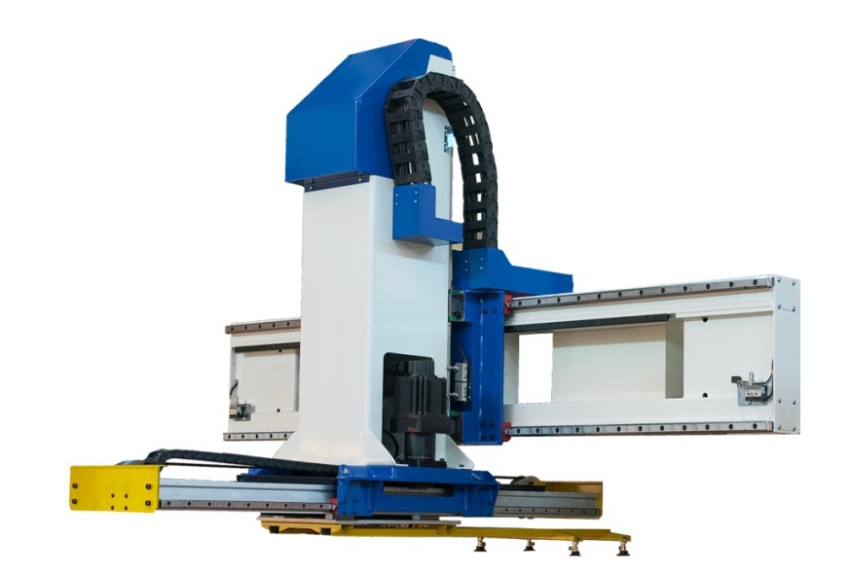
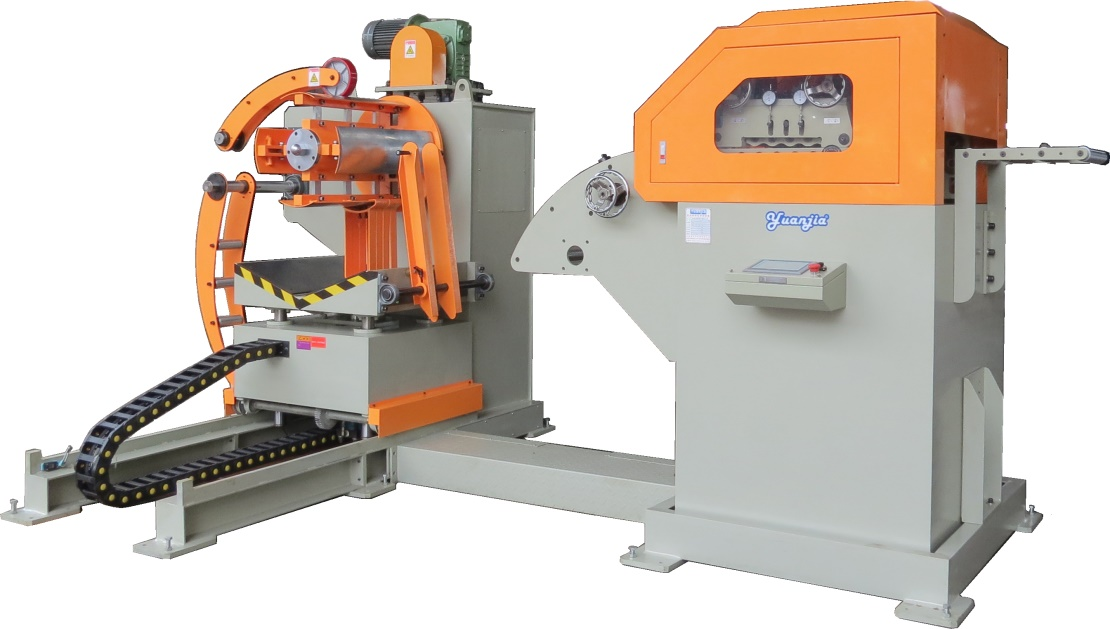
# How Machine-Hand Innovations are Transforming the Manufacturing Industry In the era of rapid technological advancement, the manufacturing industry stands at the forefront of innovation. With the integration of machine-hand innovations, the landscape of production processes has evolved significantly, enhancing efficiency, precision, and overall performance characteristics. This article explores how these innovations are redefining manufacturing through advanced machine tools, user-friendly interfaces, and cutting-edge control systems. ## The Evolution of Machine Tools Machine tools have long served as the backbone of the manufacturing sector. Traditionally, these tools were limited in functionality, often requiring extensive manual input and oversight. However, with the advent of machine-hand innovations, there has been a transformative shift towards automation and digitization. These advanced machine tools now boast features such as absolute servo motors and bus control systems, which enable refined control over production processes. ### Performance Characteristics The performance characteristics of modern machine tools have undergone considerable improvements. They now offer enhanced speed, accuracy, and reliability, which are paramount in today’s competitive market. The integration of absolute servo motors allows for precise movement and positioning of machine components, reducing errors and minimizing waste. Moreover, the stability of production is significantly improved, as these motors provide consistent torque