Dongguan Yuanjia Machinery Co., Ltd.

News

NEWS

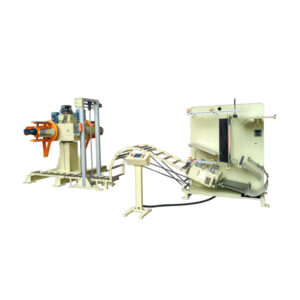
Heavy plate hydraulic servo feeder, 2-in-1 uncoiler straightener, auto parts precision stamping, fine blanking production line, hydraulic shear machine

**Servo Feeders vs. Traditional Feeders: Which is Right for Your Business?**

# Servo Feeders vs. Traditional Feeders: Which is Right for Your Business? In the highly competitive landscape of manufacturing, particularly in sectors such as automotive and heavy machinery, the efficiency and precision of production processes can make or break a business. Among the various elements that contribute to this efficiency is the feeder system used in the material processing phase. Companies often find themselves at a crossroads when deciding between traditional feeders and modern servo feeders. In this article, we will explore the differences between these two systems, examine the challenges associated with traditional equipment, and highlight the advantages of hydraulic servo feeders, particularly in thick material processing. ## Understanding the Basics: Traditional Feeders Traditional feeders have been the backbone of many manufacturing processes for decades. These mechanical devices work by using a series of belts, rollers, or other mechanisms to feed material into machines like hydraulic presses or fine blanking presses. While reliable, traditional feeders can face significant challenges, especially when it comes to handling thicker materials ranging from 4.0 to 10.0 mm. ### Challenges of Traditional Equipment 1. **Feeding Slippage**: One of the most common issues encountered with traditional feeders is feeding slippage. This occurs when the material
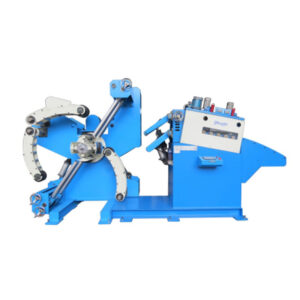
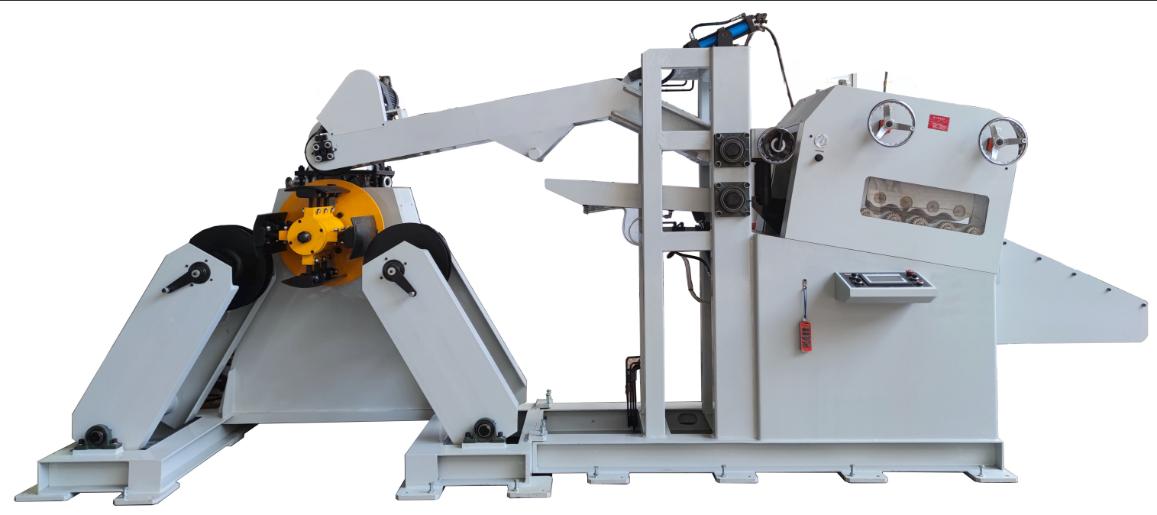
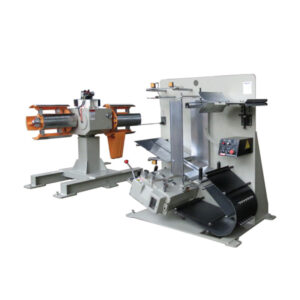
Heavy plate 2-in-1 uncoiler straightener, heavy plate leveling machine, high strength plate straightener, auto parts stamping, hardware precision stamping

– An introductory post explaining the components and functions of these machines.

# Understanding the Components and Functions of Advanced Leveling Machines in Industrial Production In the fast-paced realm of industrial production, efficiency and precision are paramount. Among the various equipment that aid in these goals, leveling machines, particularly those designed for heavy-duty applications, play a critical role. This article will delve into the components and functions of these machines, with a focus on their capabilities in material handling, customization, and core operations, highlighting innovations such as the YJML-H model. ## What is a Leveling Machine? A leveling machine is an advanced piece of equipment used primarily in the processing of metal sheets or coils. Its core function is to flatten and smooth out materials that may have been subjected to stresses during earlier manufacturing processes. This ensures uniform thickness and quality across the material, which is crucial for subsequent operations like cutting, stamping, or forming. ### Components of Leveling Machines 1. **Unwinding Unit**: – The unwinding unit is designed for efficient unwinding of coils. It typically includes a hydraulic system that manages the tension and speed at which the coil material is fed into the leveling machine. This component is crucial for maintaining the integrity of the material, especially when dealing

Heavy plate 2-in-1 uncoiler straightener, heavy plate leveling machine, high strength plate straightener, auto parts stamping, hardware precision stamping

**Understanding the Basics: What is a Thick Plate Uncoiler and Leveling System?**

# Understanding the Basics: What is a Thick Plate Uncoiler and Leveling System? In today’s fast-paced industrial landscape, efficient material handling is paramount to maintaining productivity and ensuring quality outputs. One of the critical components in metal processing and manufacturing is the thick plate uncoiler and leveling system. This two-in-one machine plays an essential role in unwinding coils of thick materials and leveling them for further processing. In this article, we will delve into the core functions of a thick plate uncoiler and leveling system, exploring its design flexibility, customization options, and relevance in various industrial applications, particularly in the automotive manufacturing industry. ## The Importance of Efficient Unwinding Efficient unwinding is vital in any production line that involves heavy materials. The uncoiling process must be executed with precision to prevent damage to the material and ensure seamless integration into subsequent processing stages. A thick plate uncoiler is specifically designed to handle large, heavy coils of metal, unwinding them in a controlled manner to maintain the integrity of the material properties. ### Core Functions of a Thick Plate Uncoiler The primary function of a thick plate uncoiler is to unwind coils of metal, which can vary significantly in size and

Sure! Here are some engaging blog topic ideas related to Thick Plate Uncoiler & Leveling:

# Engaging Blog Topic Ideas Related to Thick Plate Uncoiler & Leveling In the fast-paced world of industrial production, the efficiency and reliability of material handling systems are paramount. With the increasing complexity of manufacturing processes, particularly in sectors like automotive manufacturing, it has become essential to utilize advanced machines that can streamline operations. Among these innovations, thick plate uncoilers and leveling machines stand out. This article explores engaging blog topic ideas that delve into the nuances of these machines, their core functions, and their impact on modern manufacturing environments. ## Understanding the Core Functions of Thick Plate Uncoilers Thick plate uncoilers are crucial components in material processing, especially when dealing with heavy-duty materials. These machines facilitate the unwinding of coils, which is a fundamental step in the production line. An efficient unwinding process not only enhances productivity but also minimizes material waste, thereby leading to cost savings for manufacturers. ### Key Features of Thick Plate Uncoilers 1. **Robust Construction**: Thick plate uncoilers are designed to handle heavy materials with ease. Their robust construction ensures longevity and reliability. 2. **Hydraulic Servo Feeders**: Many modern uncoilers integrate hydraulic servo feeders, which provide precise control over material movement. This enhances accuracy in

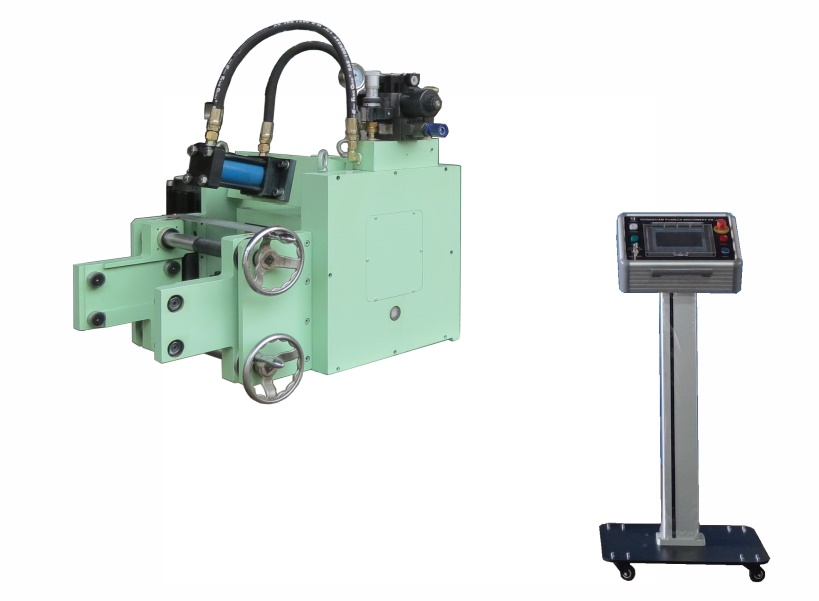
Heavy plate hydraulic servo feeder, 2-in-1 uncoiler straightener, auto parts precision stamping, fine blanking production line, hydraulic shear machine

**Top Benefits of Using Servo Feeders in Manufacturing**

# Top Benefits of Using Servo Feeders in Manufacturing In the ever-evolving landscape of manufacturing, efficiency and precision are paramount. The introduction of advanced technologies has reshaped production processes, leading to the development of innovative solutions that address traditional equipment challenges. Among these advancements, servo feeders have emerged as a game-changer, particularly in industries that demand high levels of accuracy and reliability. This article delves into the numerous benefits of using servo feeders in manufacturing, with a focus on techniques such as the NCRF (Non-Critical Role Feeder) and H Model systems, specifically in the context of thick material processing. ## Understanding Servo Feeders At their core, servo feeders are devices designed to automate the feeding of materials into processing machines, such as stamping or punching equipment. Unlike traditional mechanical or pneumatic feeders, servo feeders utilize electronic servo motors for precise control over material movement. This technology significantly enhances feeding accuracy and consistency, making it ideal for applications involving thick materials ranging from 4.0 mm to 10.0 mm in thickness. ### The Challenges of Traditional Equipment Before exploring the benefits of servo feeders, it’s essential to understand the limitations of traditional feeding equipment. Manufacturing processes involving thick materials often encounter several

Heavy plate hydraulic servo feeder, 2-in-1 uncoiler straightener, auto parts precision stamping, fine blanking production line, hydraulic shear machine

**Understanding Servo Feeders: What They Are and How They Work**

# Understanding Servo Feeders: What They Are and How They Work In the realm of modern manufacturing, the efficiency and accuracy of production processes play a pivotal role in meeting consumer demands and maintaining competitiveness in the market. One crucial component that has emerged as a game-changer in this context is the servo feeder. This article aims to delve into the intricacies of servo feeders, specifically focusing on the NCRF – H Model, their applications in thick material processing, and how they address traditional equipment challenges. ## What is a Servo Feeder? A servo feeder is an advanced feeding system used in various industrial applications to automate the process of material feeding. It utilizes servo motors for precise control of material advancement, ensuring accurate positioning and timing in operations such as stamping, punching, or cutting. Unlike traditional feeding systems, which often rely on mechanical drives, servo feeders offer enhanced reliability, flexibility, and speed. ### The NCRF – H Model: A Step Forward in Servo Feeding Technology The NCRF – H Model represents a significant advancement in servo feeder technology. Specifically designed for thick material processing, this model addresses the growing demands of industries such as automotive manufacturing, where materials with

Heavy plate hydraulic servo feeder, 2-in-1 uncoiler straightener, auto parts precision stamping, fine blanking production line, hydraulic shear machine

Sure! Here are some blog topic ideas related to SERVO FEEDER:

# Sure! Here are some Blog Topic Ideas Related to SERVO FEEDER **Introduction** In the fast-paced world of industrial manufacturing, precision and efficiency are paramount. The automotive manufacturing industry, in particular, demands high standards in the production of essential components such as punching parts for engines and steering systems. One of the critical elements that contribute to achieving these standards is the use of advanced feeding systems, among which hydraulic servo feeders stand out. In this blog, we’ll explore the various aspects of servo feeders, particularly focusing on NCRF – H Model, their application in thick material processing, and how they address challenges associated with traditional equipment. ## Understanding Servo Feeders Servo feeders are integral components of automated production lines, designed to accurately feed materials into machinery for processing. The NCRF – H Model is a notable advancement in this domain, specifically engineered to handle thick materials ranging from 4.0 to 10.0mm. This model not only enhances production efficiency but also ensures a stable production line—an essential factor in meeting the rigorous demands of the automotive sector. ### The Challenges of Traditional Equipment Traditional feeding equipment has served the industry well; however, it is not without its limitations. Some of

– An introductory post explaining the function and importance of these machines in metal processing.

# Understanding the SFS Series: The Backbone of High-Speed Stamping in Metal Processing In today’s fast-paced manufacturing landscape, precision and efficiency are not merely advantages; they are prerequisites for success. One of the critical components that contribute to this efficiency in metal processing is the high-speed stamping machine, particularly exemplified by the SFS series. This introductory post will delve into the function and importance of these machines, exploring their advanced features, applications, and the critical role they play in producing essential components such as motor cores and EI sheets. ## What is the SFS Series? The SFS series represents a line of high-speed stamping machines designed to meet the rigorous demands of modern metal processing. These machines are engineered to achieve both high operational speed and precision, making them indispensable in sectors such as automotive, electronics, and general manufacturing. ### Functionality of the SFS Series At its core, the SFS series operates through a high-speed stamping process, which involves the use of a die to cut or form metal sheets into specified shapes. The efficiency of this process is greatly enhanced by several integral components: 1. **Double-Head Uncoiler**: This innovative feature allows for seamless material feeding, ensuring that the stamping

SFS series, motor iron core stamping, EI sheet high speed stamping, double-head uncoiler, S-type straightener

**Understanding the Basics: What is a High Speed Uncoiler & Straightener?**

# Understanding the Basics: What is a High Speed Uncoiler & Straightener? In the world of manufacturing, particularly in high-speed stamping operations, the efficiency of material handling plays a crucial role in overall production performance. One of the vital components that facilitate this efficiency is the high-speed uncoiler and straightener. This equipment is essential for preparing metal strips for further processing, such as stamping motor cores or forming EI sheets. In this article, we will delve into the fundamentals of high-speed uncoilers and straighteners, focusing on their functionalities, types, and benefits, with particular attention to the SFS series. ## What is a High-Speed Uncoiler & Straightener? A high-speed uncoiler and straightener is a specialized machine that serves two primary functions: unwinding metal coils and straightening them for downstream processes. This dual function dramatically enhances the workflow in production lines, especially where precision and speed are paramount. The uncoiler feeds the raw material into the production line, while the straightener ensures that the metal strips are flat and free of any distortion, which is critical for subsequent stamping operations. ### Key Components 1. **Uncoiler Mechanism**: This part of the machine is responsible for unwinding the coil. Depending on the design, it

SFS series, motor iron core stamping, EI sheet high speed stamping, double-head uncoiler, S-type straightener

Sure! Here are some blog topic ideas focused on High Speed Uncoiler & Straightener:

# High-Speed Uncoiler & Straightener: Revolutionizing Manufacturing Efficiency In the rapidly evolving landscape of manufacturing and metal processing, the demand for high operational efficiency and precision is paramount. One of the critical components that facilitate these requirements is the high-speed uncoiler and straightener, particularly in applications involving motor cores and EI sheets. This blog explores the intricacies of high-speed uncoilers and straighteners, focusing on the SFS series and how advancements in technology can optimize production efficiency. ## Understanding High-Speed Uncoilers and Straighteners High-speed uncoilers and straighteners play a vital role in modern stamping operations. They are designed to unwind coiled metal sheets and straighten them for subsequent processes, such as stamping, cutting, or forming. The SFS series, known for its reliability and advanced features, stands out as a key player in this domain. ### Key Features of the SFS Series 1. **Double-head Uncoiler**: The SFS series often incorporates a double-head uncoiler, which allows for uninterrupted production. This feature enables operators to switch coils without halting the machinery, significantly improving production flow and efficiency. 2. **S-Type Leveler**: The S-type leveler is an innovative design that ensures consistent flattening of the material. This mechanism is crucial for preventing defects in the finished