Dongguan Yuanjia Machinery Co., Ltd.

News

NEWS

**Understanding Servo Feeders: How They Work and Their Benefits in Manufacturing**

# Understanding Servo Feeders: How They Work and Their Benefits in Manufacturing In the fast-paced world of manufacturing, efficiency and precision are paramount. One of the critical components that contribute significantly to these objectives is the servo feeder. This advanced feeding unit, driven by a servo motor, revolutionizes the way materials are conveyed through production lines, particularly in industries such as automobile manufacturing and metal stamping processes. Understanding how servo feeders work, their components, and the benefits they offer can help manufacturers enhance their operations and maintain a competitive edge. ## What is a Servo Feeder? A servo feeder is an automated feeding unit designed to deliver materials in a controlled and precise manner. It employs a servo motor to adjust the feeding speed and torque, allowing for optimal material handling based on specific production requirements. This level of control makes servo feeders an indispensable part of modern manufacturing processes, especially when dealing with variations in material thickness and dimensions. ### Components of a Servo Feeder 1. **Feeding Unit**: The feeding unit is responsible for delivering materials from a hopper or storage area to the production line. It ensures a consistent flow of materials, which is crucial for maintaining production
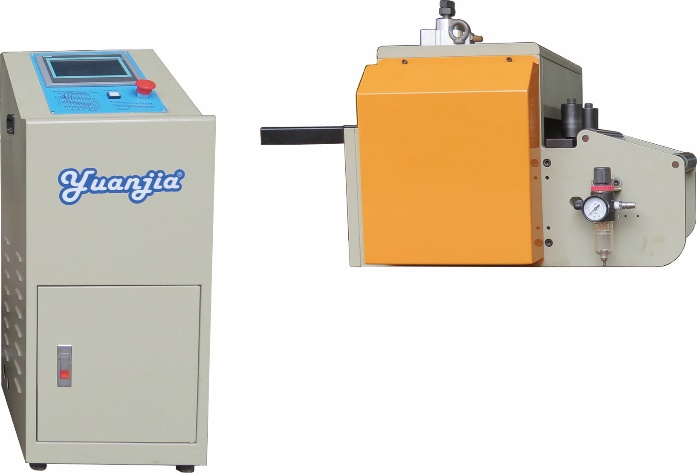
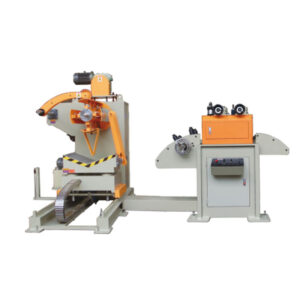
Sure! Here are some blog topic ideas related to Servo Feeder:

# Understanding Servo Feeders: A Comprehensive Guide for Enhanced Production Efficiency In today’s fast-paced manufacturing landscape, achieving precision and efficiency is paramount to maintaining a competitive edge. One of the vital elements contributing to this goal is the servo feeder. This advanced feeding unit plays a crucial role in various production processes, particularly in industries like automobile manufacturing and metal stamping. In this article, we will delve deeply into the mechanics, advantages, and applications of servo feeders, along with considerations for model selection based on material thickness and production requirements. ## What is a Servo Feeder? A servo feeder is a specialized feeding unit that utilizes a servo motor to control the movement and delivery of materials in a production line. Unlike traditional feeders that rely on pneumatic or mechanical means, servo feeders offer enhanced precision, speed, and adaptability, making them ideal for handling various materials, including metal coils. ### Key Components of a Servo Feeder 1. **Control Unit**: The control unit is the brain of the servo feeder. It processes input signals and controls the servo motor’s movements to ensure accurate feeding. It can be programmed for specific production speeds and torque requirements, allowing for greater flexibility. 2. **Servo

**The Advantages of Using Servo Feeders in Manufacturing Processes**

# The Advantages of Using Servo Feeders in Manufacturing Processes In the landscape of modern manufacturing, precision, efficiency, and adaptability are paramount. As industries evolve, the demand for high-quality products produced at a faster rate has led to the adoption of advanced technologies. One such innovation is the servo feeder, a sophisticated feeding unit that has gained popularity across various sectors, including the automobile manufacturing industry and the electronics sector. This article will explore the advantages of using servo feeders in manufacturing processes, focusing on their components, operational mechanics, and the benefits they bring to production lines. ## Understanding Servo Feeders Servo feeders are specialized machines that utilize servo motors to control the feeding of materials into production equipment. They function as feeding units designed to handle various types of materials, including metal coils, plastic sheets, and electronic components. The core components of a servo feeder include a control unit, a servo motor, a hopper, and sensors. – **Control Unit**: This component manages the operation of the servo motor, allowing for precise control over the feeding process. It can be programmed to adjust the speed, torque, and rotational power according to the specific requirements of the production line. – **Servo

**Understanding Servo Feeders: How They Work and Their Applications**

# Understanding Servo Feeders: How They Work and Their Applications In the fast-paced world of manufacturing, precision and efficiency are paramount. As production techniques evolve, the quest for optimal solutions has led to the development of advanced machinery tailored to specific needs. Among these innovations, servo feeders have emerged as vital components that enhance operational capabilities across various industries. This article delves into the mechanics of servo feeders, their components, and their applications in different sectors, particularly focusing on the automobile and electronics industries. ## What is a Servo Feeder? A servo feeder is an automated feeding unit designed to transport materials with remarkable precision and control. Unlike traditional mechanical feeders that rely on fixed mechanisms, servo feeders utilize servo motors, which offer enhanced flexibility, speed, and torque control. This makes them especially suitable for applications requiring high dimensional accuracy and stability in quality. ### Key Components of a Servo Feeder 1. **Feeding Unit**: The feeding unit is responsible for delivering the material from the hopper or storage area to the production line. It can be configured to handle a wide variety of materials, including metal coils, plastic sheets, and other raw goods, depending on the application. 2. **Control Unit**:

Sure! Here are some blog topic ideas centered around the concept of SERVO FEEDER:

# Sure! Here are Some Blog Topic Ideas Centered Around the Concept of SERVO FEEDER The manufacturing world has seen remarkable advancements in technology, particularly when it comes to automation and precision in production processes. One such innovation that has transformed material handling is the servo feeder. This article will delve into the intricacies of servo feeders, their components, applications across various industries, and how they contribute to improved production efficiency. ## Understanding Servo Feeders A servo feeder is a highly precise feeding unit used in various manufacturing processes to control the delivery of materials, typically in the form of metal coils or sheets, to different stages of production. Unlike traditional feeding methods, which may rely on mechanical systems or gravity, servo feeders utilize servo motors for enhanced control over material movement. ### Key Components of a Servo Feeder 1. **Feeding Unit**: The core component responsible for transporting materials from one point to another. It operates under the control of a servo motor, which provides the necessary precision in positioning and speed regulation. 2. **Control Unit**: This digital or analog system governs the operation of the servo feeder. It interprets commands from the main production line controller and adjusts the

– An introductory guide to the equipment, its components, and its functions.

# An Introductory Guide to the Equipment, Its Components, and Its Functions In the modern landscape of industrial production, efficiency and precision are paramount. As manufacturers strive to optimize their processes, specialized machinery has emerged as a critical component in achieving these goals. Among such innovations is the two-in-one machine designed for high-efficiency uncoiling and leveling of metal sheets. This guide aims to provide a comprehensive overview of this equipment, detailing its components, functions, and the significance of its role in material processing. ## Understanding the Two-in-One Machine The two-in-one machine combines uncoiling and leveling functions into a single unit, streamlining the workflow in industries that require processing of metal sheets. It significantly enhances productivity by minimizing the need for multiple machines, thus saving valuable floor space and reducing operational costs. The versatility of such machines makes them suitable for various applications ranging from automotive manufacturing to construction and appliance production. ### Core Components of the Two-in-One Machine To fully appreciate the functionality of a two-in-one machine, it is essential to understand its key components: 1. **Uncoiling Mechanism**: – The uncoiling mechanism is designed to handle coils of metal sheets efficiently. It ensures that the material is fed into the

**Understanding the Basics: What is a 2-in-1 Uncoiler & Leveler?**

# Understanding the Basics: What is a 2-in-1 Uncoiler & Leveler? In today’s fast-paced industrial landscape, the demand for high-efficiency material processing equipment has never been greater. Among the various machines that have gained prominence in metalworking facilities, the 2-in-1 uncoiler and leveler stands out as a versatile solution that simplifies operations while enhancing overall productivity. This article delves into the functionalities, components, and applications of 2-in-1 uncoilers and levelers, shedding light on why they are essential in modern industrial production. ## What is a 2-in-1 Uncoiler & Leveler? As the name suggests, a 2-in-1 uncoiler and leveler is a specialized machine that combines two critical processes involved in metal sheet preparation: uncoiling and leveling. The uncoiler function is responsible for unwinding coiled metal sheets, while the leveler ensures that these sheets achieve a desired flatness and surface quality before further processing. ### Uncoiling Process The uncoiling process is vital in industries that deal with rolled metal, such as steel or aluminum manufacturing. When metal is rolled into coils, it can often retain some degree of tension and curvature due to the rolling process. This tension must be eliminated to facilitate subsequent machining, cutting, or fabrication tasks. The uncoiler’s role

Sure! Here are some blog topic ideas for UNCOILER & LEVELER 2in1:

# Sure! Here are some Blog Topic Ideas for UNCOILER & LEVELER 2in1 In the fast-paced world of industrial production, the efficiency of material processing systems is paramount. Enter the **Uncoiler & Leveler 2-in-1** machine, a game-changing solution that streamlines operations and enhances productivity. This article delves into the intricacies of this dual-function machine, exploring its features, benefits, and applications across various sectors. ## The Evolution of Material Processing In the modern manufacturing landscape, the demand for high-efficiency machinery has never been greater. Companies are continuously seeking ways to optimize their operations, improve product quality, and reduce costs. Traditional methods of uncoiling and leveling metal sheets were often labor-intensive and time-consuming, leading to bottlenecks in production. The advent of the Uncoiler & Leveler 2-in-1 machine marks a significant innovation in this domain, combining two essential processes into one streamlined system. ### What is a Uncoiler & Leveler 2-in-1 Machine? A Uncoiler & Leveler 2-in-1 machine is designed to handle the two critical steps in metal sheet processing: uncoiling and leveling. The uncoiling process involves unwinding a coil of metal sheets, while leveling ensures that the sheets are perfectly flat and free from any deformations. Together, these functions enhance the quality

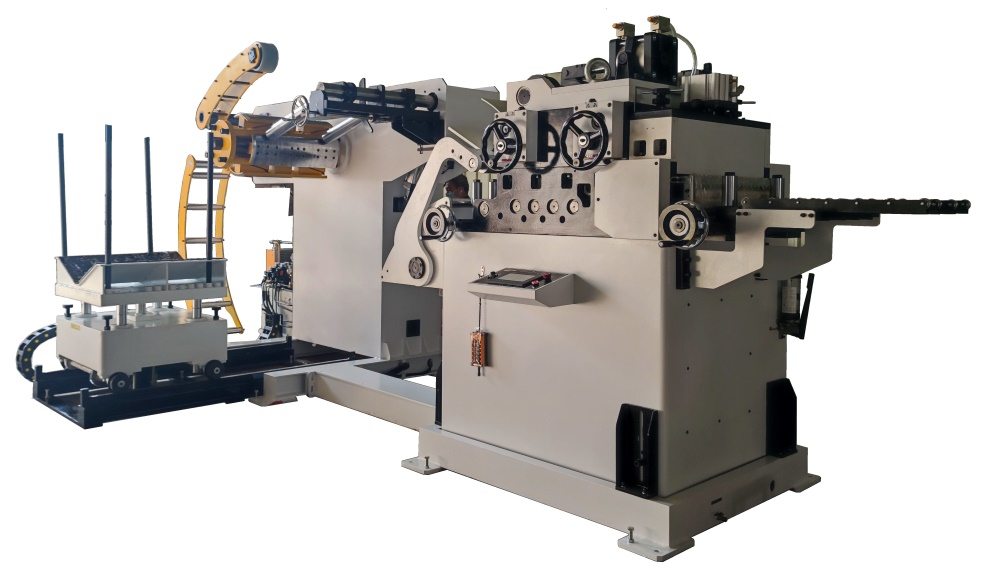
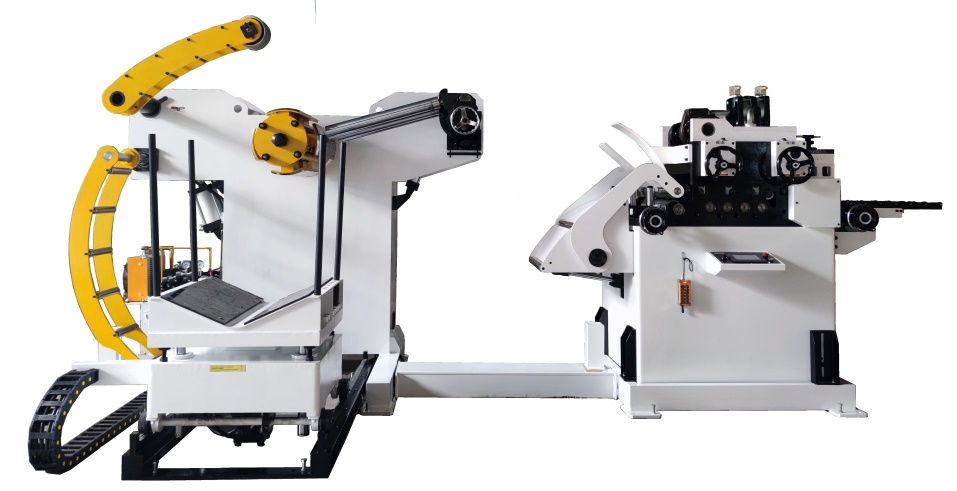
Thick plate 3-in-1 decoiler straightener feeder 1-10mm hardware stamping feeder Automotive parts stamping machine Industrial caster stamping feeder Logistics shelf hardware stamping

– Explore how this system can streamline operations and improve efficiency in metal processing.

# Exploring How Advanced Systems Can Streamline Operations and Improve Efficiency in Metal Processing In the fast-paced world of metal processing, efficiency and precision are paramount. The industry’s evolution has been significantly shaped by technological advancements, particularly in terms of automation and control systems. Today, we delve into how a modernized system equipped with technical advantages can streamline operations and enhance efficiency across various processes, including decoiling, leveling, and feeding. ## Understanding the Metal Processing Landscape Metal processing encompasses a wide range of manufacturing activities that involve the shaping, cutting, welding, and finishing of metal materials. As industries evolve, there is an increasing demand for higher accuracy, reduced waste, and faster turnaround times. This necessitates the implementation of advanced systems that can effectively manage these requirements while ensuring quality output. ## Technical Advantages of Modern Metal Processing Systems ### 1. Decoiling Efficiency Decoiling is one of the first steps in metal processing, where coils of metal are unwound for further processing. Traditional decoiling methods often struggle with speed and precision, leading to inefficiencies. By integrating modern decoiling systems that utilize Siemens servo motors, manufacturers can achieve better control over coil unwinding. These motors allow for precise adjustments in tension and

**Revolutionizing Metal Processing: The Benefits of a 3IN1 Heavy Plate Servo Decoiler, Leveler, and Feeder System**

# Revolutionizing Metal Processing: The Benefits of a 3IN1 Heavy Plate Servo Decoiler, Leveler, and Feeder System In the ever-evolving world of metal processing, efficiency and precision are paramount. As industries demand higher throughput and tighter tolerances, technological advancements play a critical role in meeting these needs. One such advancement is the introduction of the 3IN1 Heavy Plate Servo Decoiler, Leveler, and Feeder System. This innovative system has revolutionized the way metal sheets are processed, offering a myriad of benefits that enhance productivity, reduce costs, and improve product quality. In this article, we will explore the technical advantages of this integrated solution and how it can transform your metal processing operations. ## Understanding the Components Before delving into the benefits, it’s important to understand the three core components of the 3IN1 system: decoiling, leveling, and feeding. Each component plays a vital role in preparing metal plates for further processing. ### Decoiling Decoiling is the initial step in the metal processing chain. It involves unwinding coiled metal sheets to prepare them for further manipulation. Traditional decoiling methods often lead to issues such as coil slippage, inconsistent tension, and surface damage. However, the servo-driven decoiling system in the 3IN1 unit utilizes Siemens