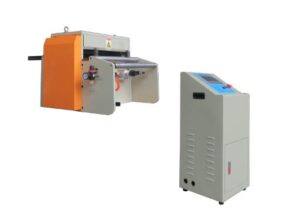
**Comprender los servoalimentadores: Cómo funcionan y sus ventajas en la fabricación**
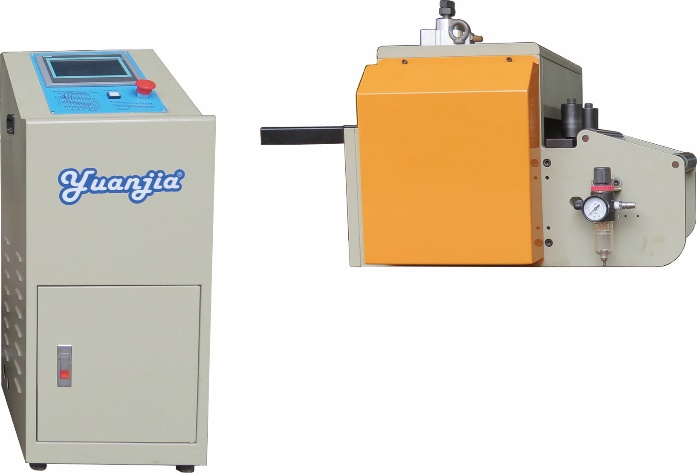
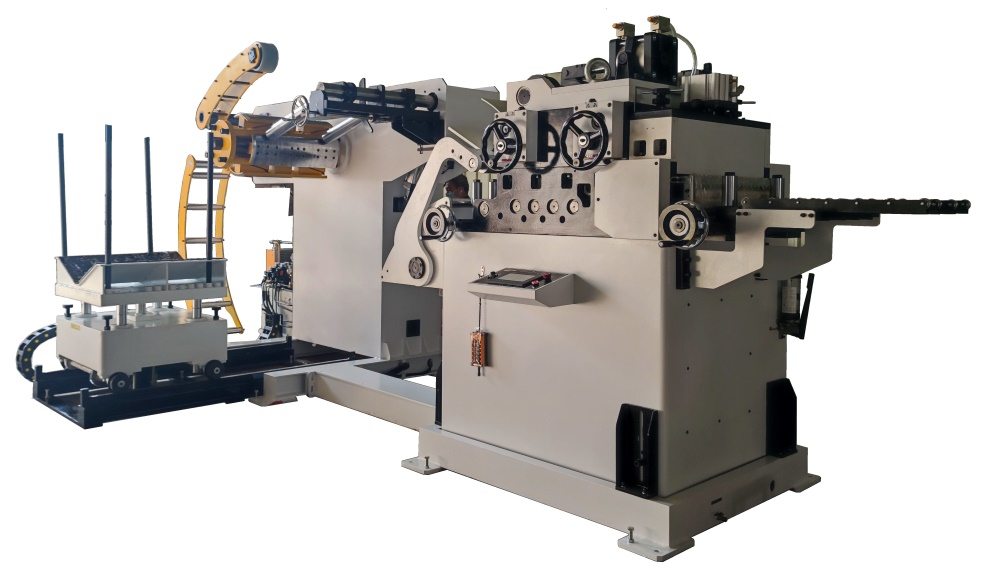
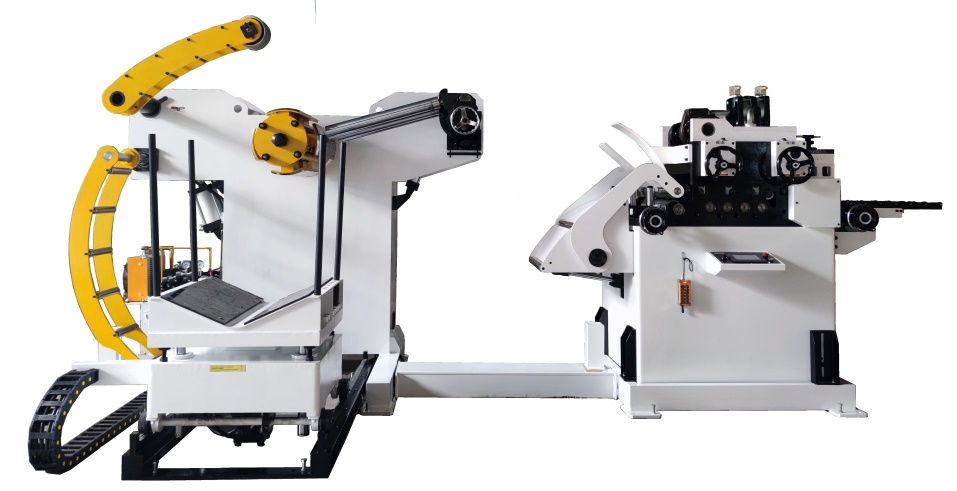
# Comprender los servoalimentadores: Cómo funcionan y sus ventajas en la fabricación En el vertiginoso mundo de la fabricación, la eficacia y la precisión son primordiales. Uno de los componentes críticos que contribuyen significativamente a estos objetivos es el servoalimentador. Esta avanzada unidad de alimentación, accionada por un servomotor, revoluciona la forma en que los materiales se transportan a través de las líneas de producción, especialmente en industrias como la fabricación de automóviles y los procesos de estampación de metales. Entender cómo funcionan los servoalimentadores, sus componentes y las ventajas que ofrecen puede ayudar a los fabricantes a mejorar sus operaciones y mantener una ventaja competitiva. ## ¿Qué es un servoalimentador? Un servoalimentador es una unidad de alimentación automatizada diseñada para suministrar materiales de forma controlada y precisa. Emplea un servomotor para ajustar la velocidad y el par de alimentación, lo que permite una manipulación óptima del material en función de los requisitos de producción específicos. Este nivel de control hace de los servoalimentadores una parte indispensable de los procesos de fabricación modernos, especialmente cuando se trata de variaciones en el grosor y las dimensiones del material. ### Componentes de un servoalimentador 1. Unidad de alimentación **Unidad de alimentación**: La unidad de alimentación es responsable de suministrar materiales desde una tolva o área de almacenamiento a la línea de producción. Garantiza un flujo constante de materiales, que es crucial para mantener la producción.