Description
Analysis of the Working Principle
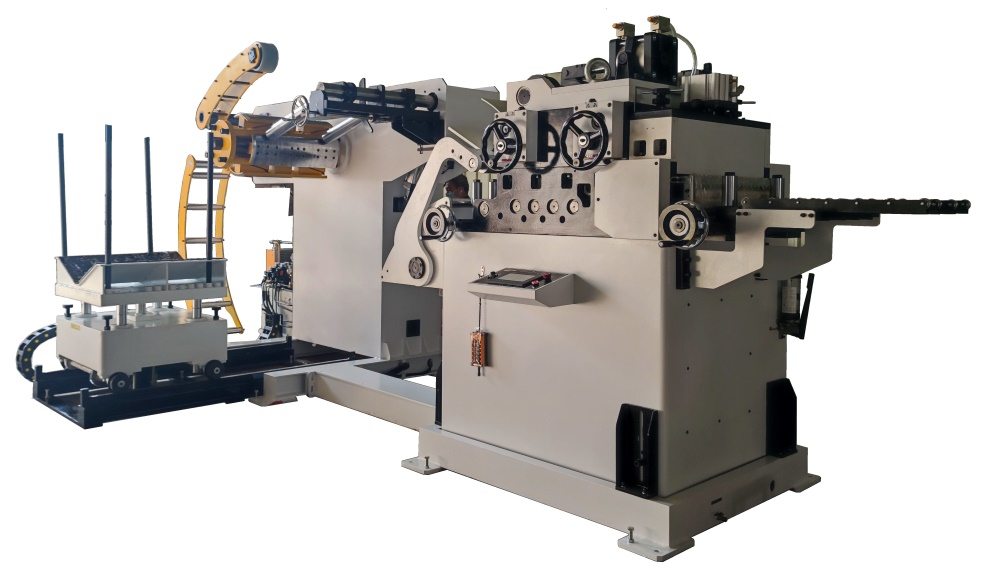
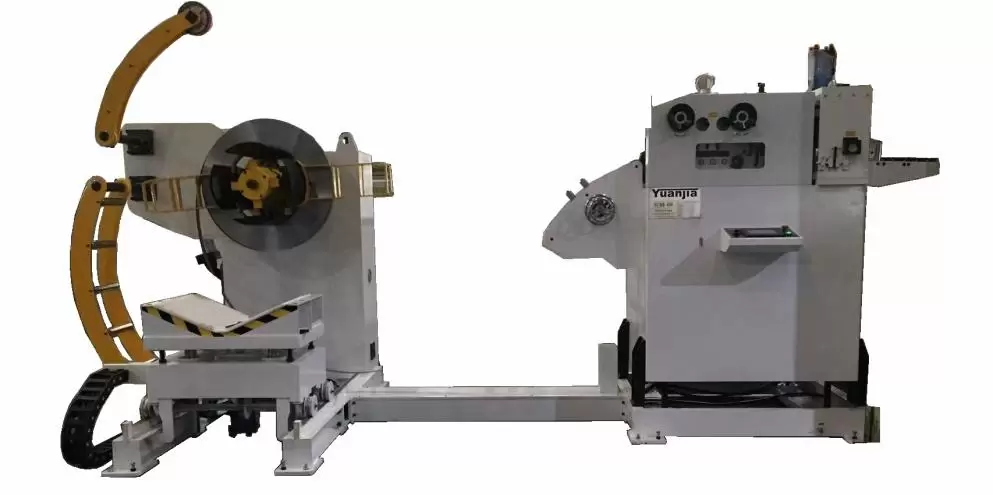
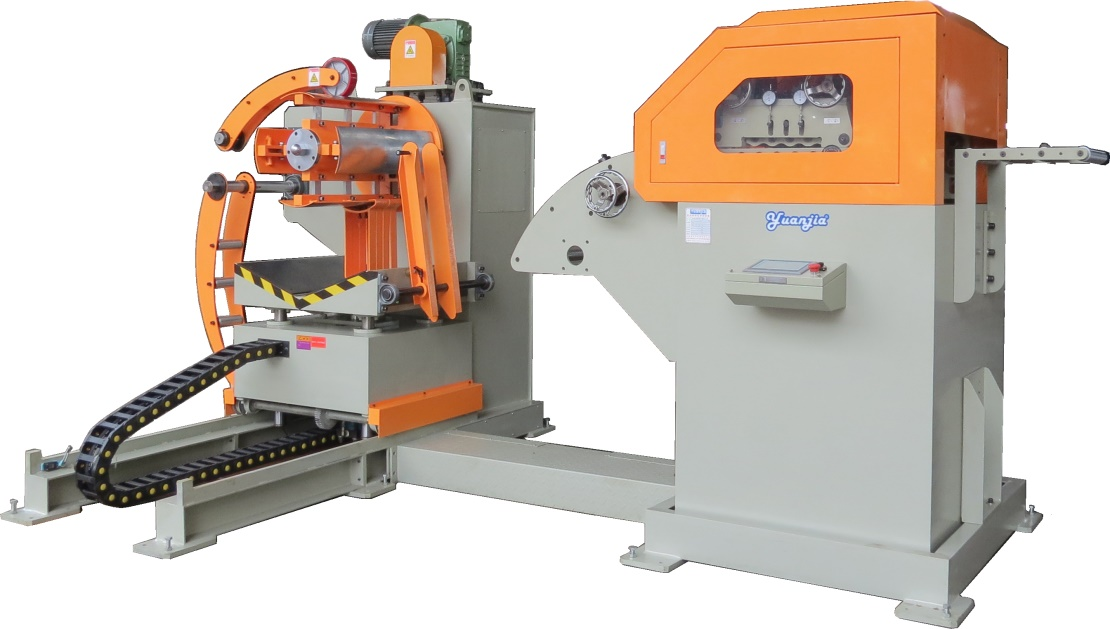
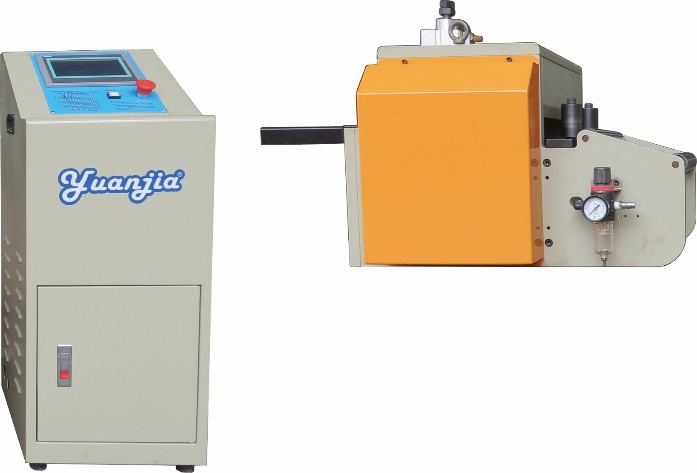
The servo feeder is mainly composed of three core parts: the feeding unit, the control unit, and the servo motor. The feeding unit is responsible for accurately conveying the materials to the production line. It usually includes a hopper for storing materials, a mechanism for conveying materials, and sensors for detecting the presence of materials. The control unit is like the “brain” of the equipment. Based on the information fed back by the sensors and various factors such as the production speed and the type of materials, it precisely regulates the speed and time of the feeding process. The servo motor provides the required torque and rotational power for the entire feeding process, driving the feeding unit to operate stably. Through the coordinated operation of these three parts, the servo feeder can achieve precise control over the material conveying.
Model Selection
Customers can choose different models of our company according to the thickness of the materials. Model A is suitable for materials with a thickness of 0.1 – 2.0mm; Model B is suitable for materials with a thickness of 0.3 – 3.2mm. In addition, for thick plates, our company also has a hydraulic servo feeder, and the customized thickness can reach up to 12mm at most.
Broad Application Fields
Automobile Manufacturing Industry: In the stamping production process of automobile parts, the servo feeder can accurately convey various metal coils, ensuring the dimensional accuracy and quality stability of the parts, and providing strong support for the safety performance and overall quality of the automobiles.
Electronics Industry: Precision electronic parts servo feeder, widely used for high-precision feeding of stamping parts in mobile phones, computers, home appliances and industrial hardware.
Metal Processing Industry: Whether it is the stamping, cutting, or forming processing of metal sheets, the servo feeder can accurately convey materials according to different processing technology requirements, improving the processing accuracy and production efficiency and reducing the reject rate.