Dongguan Yuanjia Machinery Co, Ltd.

Nouvelles

NOUVELLES

**Comprendre le 3IN1 Heavy Plate Servo Decoiler : Caractéristiques et avantages**

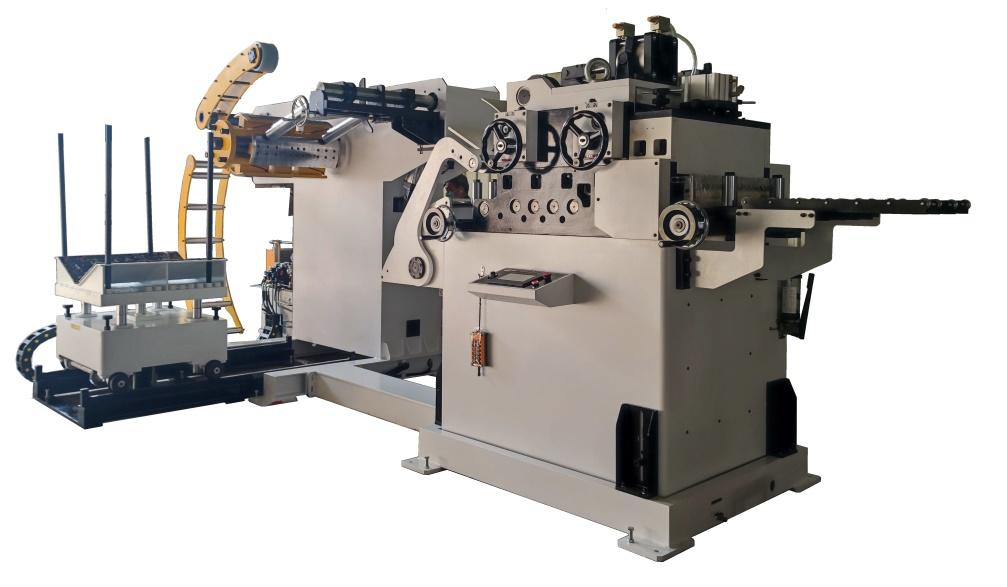
# Understanding the 3IN1 Heavy Plate Servo Decoiler: Features and Benefits In today’s fast-paced industrial environment, efficiency and precision are paramount. The 3IN1 Heavy Plate Servo Decoiler is an innovative piece of machinery designed to streamline the decoiling, leveling, and feeding processes in metalworking operations. By integrating these three crucial functions into one machine, manufacturers can significantly enhance their production workflows while ensuring high-quality output. This article delves into the technical advantages, core components, and benefits of the 3IN1 Heavy Plate Servo Decoiler. ## Technical Advantages ### 1. Integrated Functionality The most significant advantage of the 3IN1 Heavy Plate Servo Decoiler is its integrated functionality. Combining decoiling, leveling, and feeding into a single unit reduces the need for multiple machines, ultimately saving space and costs. This integration allows for a seamless workflow, as materials can move from one process to another without interruption. ### 2. Precision Feeding with Siemens Servo Motors At the heart of the 3IN1 Heavy Plate Servo Decoiler are Siemens servo motors, which provide exceptional control over the feeding mechanism. These advanced motors ensure that the material is fed accurately into subsequent processes, minimizing the risk of errors and enhancing overall productivity. The use of servo technology

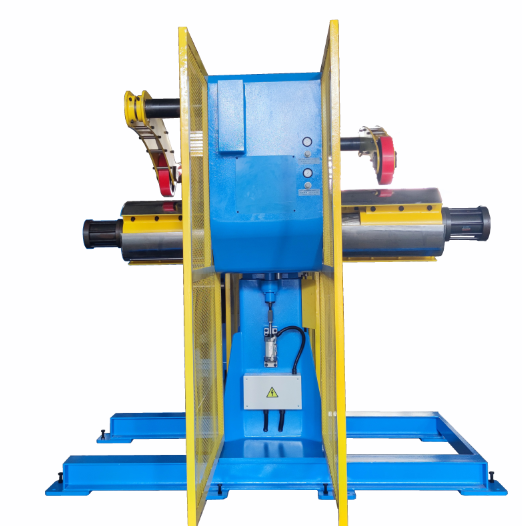
产品图(侧面/运行状态) “Heavy plate decoiler straightener feeder in operation processing 6mm thick hot-rolled steel coil”

Voici quelques idées de sujets de blog pour 3IN1 Heavy Plate Servo Decoiler, Leveler, and Feeder System :

# Exploring the 3IN1 Heavy Plate Servo Decoiler, Leveler, and Feeder System: Technical Advantages and Innovations In the realm of industrial manufacturing, efficiency and precision are paramount. The 3IN1 Heavy Plate Servo Decoiler, Leveler, and Feeder System epitomizes these ideals by integrating three critical functions into a single, streamlined unit. This sophisticated apparatus is designed to enhance productivity while maintaining high standards of flatness and accuracy, essential for various applications, from automotive to aerospace industries. In this article, we will delve into the technical advantages of this system, exploring its core components, operational efficiencies, and innovative technologies that set it apart in the market. ## 1. Overview of the 3IN1 System The 3IN1 Heavy Plate Servo Decoiler, Leveler, and Feeder System combines the processes of decoiling, leveling, and feeding into a single machine, enabling manufacturers to optimize their workflow. This integration not only saves space but also minimizes setup time, thereby increasing overall operational efficiency. With its compact modular design, the system can be easily integrated into existing production lines, making it a versatile choice for manufacturers looking to modernize their equipment. ### 1.1 Decoiling Decoiling refers to the process of unwinding coiled metal sheets or plates to prepare them

**Avantages de l'utilisation de servomoteurs de précision dans l'industrie manufacturière**

# Top Benefits of Using Precision Servo Feeders in Manufacturing Industries In today’s fast-paced manufacturing environment, the demand for efficiency and accuracy has never been greater. Industries ranging from automotive manufacturing to smart home appliance production are increasingly turning to advanced technologies to enhance their operations. Among these innovations, precision servo feeders stand out as a prominent solution that aligns with the German Industry 4.0 standards. This blog explores the significant benefits of utilizing precision servo feeders in manufacturing processes, their core technological advantages, and how they contribute to the overall improvement of production lines. ## Understanding Precision Servo Feeders Precision servo feeders are advanced devices designed to enhance the feeding process in manufacturing setups, especially during stamping and forming operations. These feeders utilize a precision drive system, often incorporating high-performance components such as Siemens S7 Series servo motors and precision planetary gears. Their primary function is to provide high-speed precision feeding, ensuring that materials are delivered accurately and consistently throughout the manufacturing process. ### Advantages of Precision Servo Feeders 1. **High-Speed Precision Feeding** One of the most notable benefits of precision servo feeders is their ability to perform high-speed precision feeding. The integration of sophisticated servo motors enables these

**Comprendre les bases : Qu'est-ce qu'un servodoseur de précision et comment fonctionne-t-il ?

# Understanding the Basics: What is a Precision Servo Feeder and How Does it Work? In the rapidly evolving landscape of manufacturing, precision and efficiency are paramount. One of the standout innovations that exemplifies these qualities is the **Precision Servo Feeder**. This intelligent piece of equipment is increasingly being adopted across various sectors such as automotive manufacturing, smart home appliances, and precision hardware industries. In this blog post, we will delve into what a precision servo feeder is, how it operates, and explore its technological advantages and applications, particularly in line with German Industry 4.0 standards. ## What is a Precision Servo Feeder? A **precision servo feeder** is an advanced feeding system designed to deliver materials with high accuracy and speed. It operates using a servo motor mechanism that enables precise control over the feeding process. This technology is essential for industries that require exact positioning and timing, such as stamping operations in the automotive sector or assembly lines for smart home appliances. ### Key Features of Precision Servo Feeders 1. **High-Speed Precision Feeding:** The capability to feed materials at high speeds while maintaining accuracy is one of the defining characteristics of precision servo feeders. This ensures that production lines

Bien sûr ! Voici quelques idées de sujets de blog qui se concentrent sur les servodistributeurs de précision :

# Sure! Here are some blog topic ideas that focus on Precision Servo Feeder In today’s fast-paced manufacturing landscape, the demand for precision and efficiency has never been higher. As industries evolve, the need for advanced technologies becomes paramount, particularly in sectors such as automotive manufacturing, smart home appliances, and precision hardware industries. Among these technologies, the Precision Servo Feeder stands out as a transformative solution that adheres to German Industry 4.0 standards. In this article, we will delve into the various aspects of Precision Servo Feeders, highlighting their core technological advantages, applications across various industries, and their role in enhancing production efficiency. ## Understanding the Precision Servo Feeder A Precision Servo Feeder is an intelligent piece of stamping equipment designed to deliver materials with exceptional accuracy and speed. Unlike traditional feeding mechanisms, which often rely on mechanical systems that can be prone to error and inefficiency, the Precision Servo Feeder integrates advanced servo technology to ensure high-speed precision feeding. This results in improved cycle times, reduced waste, and enhanced product quality. ### Core Technological Advantages #### 1. Precision Drive System At the heart of the Precision Servo Feeder is its precision drive system, which typically includes components such as

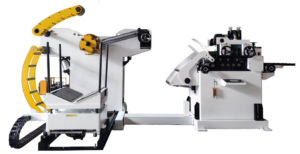
Double-head uncoiler, double-station alternate feeding, non-stop coil switching, automatic rotation, high efficiency continuous stamping line.

**Les avantages de l'utilisation d'une dérouleuse à deux têtes dans le traitement des métaux**

# The Advantages of Using a Double-head Uncoiler in Metal Processing In the world of metal processing, efficiency and productivity are paramount. As industries seek to optimize their operations, innovative technologies increasingly play a critical role in achieving these goals. Among the advancements that have garnered attention is the **double-head uncoiler**, a device that promises to revolutionize the way metal coils are handled during manufacturing processes. In this article, we will explore the various advantages of employing a double-head uncoiler, particularly in stamping lines and roll forming lines, while highlighting its contributions to intelligent continuous feeding, zero downtime, and overall efficiency improvement. ### Understanding the Dual Uncoiler System The **dual uncoiler system** integrates two uncoiling heads into one setup, allowing for simultaneous operation. This design significantly enhances the feeding process of metal coils into various machinery used in production. Unlike traditional single-head uncoilers, which require manual intervention to switch coils, the double-head configuration enables an automatic, seamless transition between coils, thus minimizing interruptions and maintaining continuous production flow. ### Intelligent Continuous Feeding In metal processing, especially in high-volume manufacturing environments, the need for **intelligent continuous feeding** becomes increasingly critical. The double-head uncoiler supports this requirement by offering a dual-station alternating

Double-head uncoiler, double-station alternate feeding, non-stop coil switching, automatic rotation, high efficiency continuous stamping line.

**Comprendre le dérouleur à double tête : Un guide complet**

# Understanding the Double-head Uncoiler: A Comprehensive Guide In the ever-evolving landscape of manufacturing, efficiency and productivity remain at the forefront of operational goals. One significant innovation that has emerged to address these needs is the double-head uncoiler system. This sophisticated apparatus plays a pivotal role in various production lines, particularly in stamping and roll forming applications. In this comprehensive guide, we will explore the functionality, advantages, and core components of the double-head uncoiler, as well as its impact on overall production efficiency. ## What is a Double-head Uncoiler? A double-head uncoiler, often referred to as a dual uncoiler system, is an advanced material handling solution designed to facilitate the continuous feeding of coils into production lines. Unlike traditional single uncoilers, which can lead to downtime during coil changeovers, the double-head uncoiler allows for seamless operation and minimal interruptions. By integrating intelligent continuous feeding capabilities, manufacturers can achieve efficient production rates while maintaining high-quality output. ### Core Process Value of Double-head Uncoilers The primary value proposition of a double-head uncoiler lies in its ability to optimize the production process. By supporting dual-station alternating feeding modes, manufacturers can switch between coils without halting operations. This innovative technical architecture not only enhances

Double-head uncoiler, double-station alternate feeding, non-stop coil switching, automatic rotation, high efficiency continuous stamping line.

Voici quelques idées de sujets de blog pour Double-head Uncoiler :

# Sure! Here are some blog topic ideas for Double-head Uncoiler In the world of manufacturing, operational efficiency and productivity are paramount. This is particularly true in industries that rely heavily on continuous feeding systems for materials such as steel coils, aluminum sheets, and other roll-formed products. One innovative solution that has emerged to meet the demands of high-volume production is the dual head uncoiler system. This blog article will explore the various facets and advantages of implementing a double-head uncoiler system, including its role in intelligent continuous feeding, stamping lines, roll forming lines, and more. ## Understanding the Dual Head Uncoiler System A dual head uncoiler system is designed to handle two coils simultaneously, allowing for seamless transitions during the production process. This capability is critical in industries where downtime must be minimized to maximize output. The system’s architecture typically includes two independent uncoiling stations that can operate alternately, providing a continuous flow of material without interruption. By utilizing a dual-station alternating feeding mode, manufacturers can achieve zero downtime for coil switching, which is essential for maintaining a steady production line. ### The Importance of Intelligent Continuous Feeding Intelligent continuous feeding refers to the automated process of delivering materials

– Explore how precision leveling machines enhance the quality of Advanced High-Strength Steel (AHSS) sheets.

# Explore How Precision Leveling Machines Enhance the Quality of Advanced High-Strength Steel (AHSS) Sheets In the rapidly evolving landscape of modern manufacturing, the demand for high-performance materials has surged, particularly in the automotive industry. With stringent safety standards and performance requirements, manufacturers are increasingly turning to Advanced High-Strength Steel (AHSS) for components ranging from A/B pillars to crash beams and other safety components. To meet these demanding specifications, precision leveling machines have emerged as an essential tool in ensuring the quality and integrity of AHSS sheets. This article delves into how precision high-strength plate leveling machines enhance the quality of AHSS sheets, focusing on their role within specialized leveling solutions and compliance with standards like IATF 16949. ## Understanding Advanced High-Strength Steel (AHSS) AHSS is a category of steel that offers superior tensile strength and ductility compared to conventional high-strength steel. It is engineered to withstand extreme conditions while maintaining formability, making it ideal for various automotive applications. The use of AHSS contributes to weight reduction, improved fuel efficiency, and enhanced safety in vehicles—essential factors in today’s competitive automotive market. ### Key Applications of AHSS 1. **A/B Pillars**: These structural elements play a critical role in vehicle safety by

**Understanding the Role of Precision Leveling Machines in AHSS Processing**

# Understanding the Role of Precision Leveling Machines in AHSS Processing As industries evolve, the demand for advanced materials that can offer both strength and weight savings has led to an increased focus on Advanced High-Strength Steel (AHSS) and its processing technologies. Among these technologies, precision leveling machines play a critical role in ensuring that high-strength plates meet the stringent requirements of modern manufacturing, particularly in the automotive sector. This article aims to delve into the significance of precision leveling machines, their specialized functions, and how they contribute to the production of high-quality components such as A/B pillars and crash beams. ## The Rise of Advanced High-Strength Steel (AHSS) Advanced High-Strength Steel (AHSS) is revolutionizing the automotive industry by providing manufacturers with materials that are lightweight yet possess exceptional strength. Hot-formed automotive steel, which is often utilized in producing structural components, is a prime example of AHSS. As vehicles become increasingly designed for safety, efficiency, and performance, the demand for ultra-high-strength steel continues to grow. However, the processing of AHSS presents specific challenges, primarily due to the material’s inherent properties. These materials often exhibit a tendency to warp or distort during manufacturing processes, necessitating advanced solutions to ensure flatness and