Dongguan Yuanjia Machinery Co, Ltd.

Nouvelles

NOUVELLES

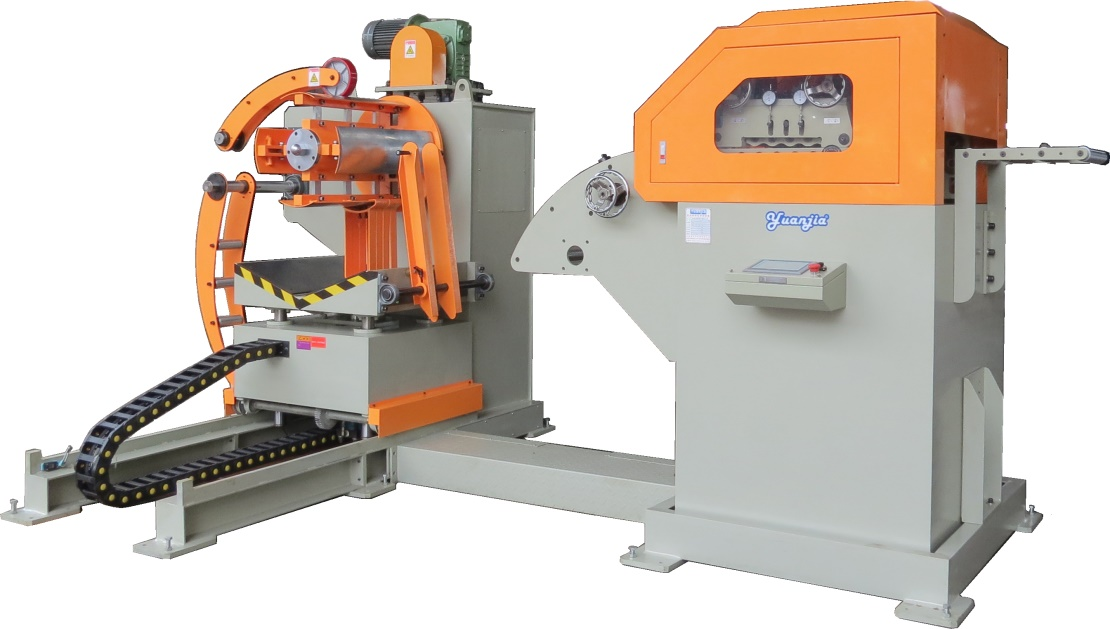
3-in-1 feeder is widely used in stamping production of 3C electronics, home appliances, motors, automobiles and various industrial hardware parts.

Here are some engaging blog topic ideas centered around the 3IN1 Servo Decoiler, Leveler, and Feeder System:

# Here are Some Engaging Blog Topic Ideas Centered Around the 3IN1 Servo Decoiler, Leveler, and Feeder System In today’s highly competitive manufacturing landscape, businesses continuously seek innovative solutions that enhance production efficiency and reduce operational costs. One such solution is the 3IN1 Servo Decoiler, Leveler, and Feeder System. This remarkable piece of machinery integrates decoiling, leveling, and feeding functions into a single unit, offering numerous technical advantages that can propel production lines forward. Below, we explore various engaging blog topic ideas centered around this sophisticated system. ## Understanding the Technical Advantages of the 3IN1 System ### 1. The Role of Siemens Servo Motors in Precision Manufacturing Siemens servo motors are renowned for their reliability and performance in industrial applications. When integrated into the 3IN1 Servo system, these motors deliver precise control over each function—decoiling, leveling, and feeding. A blog post focused on the advantages of using Siemens servo motors could delve into how they contribute to continuous feeding accuracy, rapid response times, and energy efficiency. Highlighting real-world examples of successful implementations can further engage readers, showcasing the tangible benefits of adopting this technology. ### 2. PLC Control Systems: The Brain Behind the Operation Programmable Logic Controllers (PLCs) serve as
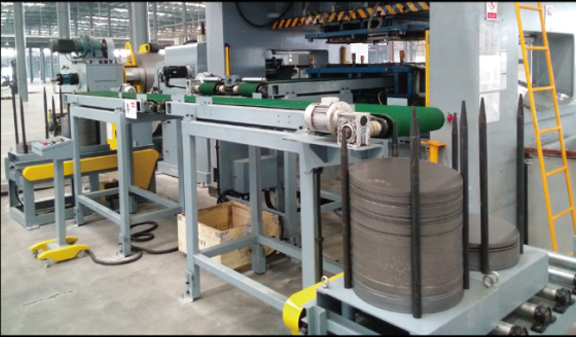
– Explore what Lift Stack is, how it works, and its advantages for businesses.

# Exploring Lift Stack: Revolutionizing Customization and Efficiency in Modern Business In today’s rapidly evolving business landscape, the demand for customized products has reached unprecedented heights. Companies are continually seeking innovative ways to enhance their production processes, improve efficiency, and maintain a competitive edge. One such innovation that has gained traction is the Lift Stack system. This article delves into what Lift Stack is, how it operates, and the myriad advantages it offers to businesses. ## What is Lift Stack? Lift Stack is an advanced modular system designed for the efficient handling and stacking of materials in various industrial applications. It is particularly well-suited for businesses that require customized solutions for their products, whether that involves specific dimensions, material thicknesses, or specialized shapes. The system seamlessly integrates with existing production lines and facilitates a range of automatic blanking types, magnetic types, and robotic applications. The core concept behind Lift Stack revolves around enhancing productivity while minimizing manual labor. By automating the stacking process, businesses can not only save time but also reduce the likelihood of human error, ensuring a higher level of precision in production. ## How Does Lift Stack Work? At its essence, the Lift Stack system employs a

**Understanding Lift Stack: A Comprehensive Guide to Its Features and Benefits**

# Understanding Lift Stack: A Comprehensive Guide to Its Features and Benefits In an era where efficiency and precision are paramount in manufacturing and logistics, the concept of lift stacks has emerged as a vital component in material handling systems. Lift stacks, often referred to as stackers, are designed to optimize the storage and retrieval of goods while minimizing labor costs and maximizing space utilization. In this comprehensive guide, we will delve into the various features and benefits of lift stacks, exploring their customized products, design aspects, shape and size variations, material thickness, automatic blanking types, magnetic types, and their integration with robotics. ## What is a Lift Stack? Lift stacks are specialized equipment used in warehouses, distribution centers, and manufacturing plants to lift, stack, and transport materials efficiently. The lift stack can be manual or automated, catering to different operational needs. By allowing for the vertical stacking of products, lift stacks enable businesses to maximize storage space and streamline workflow processes. ## Customized Products Tailored to Specific Needs One of the most significant advantages of lift stacks is their ability to be customized to meet specific operational requirements. Manufacturers understand that each business has unique challenges and preferences when

Here are some blog topic ideas for LIFT STACKE:

# Blog Title: “Here Are Some Blog Topic Ideas for LIFT STACKE” In an ever-evolving industrial landscape, the demand for customized products is at an all-time high. Companies are increasingly recognizing the importance of tailored solutions to meet specific operational needs. One area where customization has become particularly relevant is in the field of stackers—devices designed to handle, store, and transport materials efficiently. In this blog post, we will explore various topic ideas related to LIFT STACKE, a leading name in the stacker industry, focusing on aspects such as design, shape, size, material thickness, automatic blanking types, magnetic types, and the integration of robotic technologies. ## 1. The Importance of Customized Stackers in Modern Warehousing ### Understanding Customization Customization in stackers involves tailoring the equipment to meet specific requirements based on the unique challenges of different industries. Factors like product weight, volume, and the nature of materials handled can significantly influence the design and functionality of stackers. ### Benefits of Customized Stackers – **Enhanced Efficiency**: Tailored stackers can optimize space and streamline operations, leading to improved efficiency. – **Improved Safety**: Customized solutions can address safety concerns specific to certain materials or environments, reducing the risk of accidents. – **Long-term Cost

**Comprendre les bases : Qu'est-ce qu'une machine automatique de cisaillement et de soudage ?

# Understanding the Basics: What is an Automatic Shearing and Welding Machine? The manufacturing landscape has undergone significant transformations over the past few decades, largely due to advancements in automation and technology. Among these innovations, automatic shearing and welding machines stand out as pivotal tools in modern industries, particularly in steel processing. This article delves into the intricacies of these machines, focusing on the Auto Steel Coil Shear Welding System, its functionalities, and its impact on production efficiency. ## What is an Automatic Shearing and Welding Machine? An automatic shearing and welding machine is a sophisticated piece of equipment designed to streamline the process of cutting and joining materials, particularly steel coils. These machines are engineered for high precision and efficiency, enabling manufacturers to produce high-quality products with minimal manual intervention. The core functions of these machines include shearing (cutting) steel coils and subsequently welding them together to form continuous lengths or shapes as required in various applications. ### Key Components of the System 1. **Shearing Mechanism**: This component is responsible for cutting steel coils, typically ranging from 0.8 to 2.5 mm in thickness. The shearing process is crucial as it prepares the material for further processing and ensures that

**L'avenir de la fabrication : Comment les machines automatiques de cisaillement et de soudage transforment les industries**

# The Future of Manufacturing: How Automatic Shearing and Welding Machines Are Transforming Industries The landscape of manufacturing is undergoing a radical transformation, driven by technological advancements that are reshaping traditional processes. Among these innovations, automatic shearing and welding machines stand out as pivotal contributors to increased efficiency, precision, and sustainability in manufacturing operations. This article delves deep into the nuances of automatic steel coil shear welding systems, exploring how they are revolutionizing industries through intelligent continuous processing, enhanced rolling lines, and advanced feeding systems. ## Understanding Automatic Shearing and Welding Machines Automatic shearing and welding machines are specialized equipment designed to cut and join materials with high precision and speed. In particular, systems such as the auto steel coil shear welding system play a critical role in manufacturing environments where steel coils—typically ranging from 0.8 to 2.5mm thick—are processed. These machines integrate various technologies to ensure uninterrupted operation, minimize technical bottlenecks, and optimize overall equipment efficiency (OEE). ### Intelligent Continuous Processing One of the most significant advantages of modern automatic shearing and welding machines is their ability to facilitate intelligent continuous processing. This approach involves integrating multiple stages of production into a seamless workflow, thereby enhancing the speed and

Voici quelques idées de sujets de blog intéressants pour Machine à cisailler et à souder automatique :

# Engaging Blog Topic Ideas for Automatic Shearing and Welding Machines In the modern manufacturing landscape, efficiency, precision, and automation have become paramount. Industries that rely on metal fabrication, particularly steel processing, are increasingly turning to advanced machinery to optimize their operations. The Automatic Shearing and Welding Machine is one such innovation, designed to enhance productivity while minimizing manual intervention. In this article, we will explore an array of engaging blog topic ideas related to Automatic Shearing and Welding Machines, integrating essential keywords while highlighting their significance in today’s industrial environment. ## 1. Understanding the Auto Steel Coil Shear Welding System: A Comprehensive Guide The Auto Steel Coil Shear Welding System is a critical component in the metalworking industry. This blog post could delve into the intricacies of how this system functions, including its key components such as shearing blades, welding torches, and feeding mechanisms. By explaining the unique benefits of using this system—like improved efficiency and reduced labor costs—manufacturers can gain insight into why investing in such technology is crucial for staying competitive. ### Key Points to Cover: – Definition and functionality of the Auto Steel Coil Shear Welding System. – How it integrates with existing production lines. –

- Une vue d'ensemble des capacités du système et de la manière dont il améliore l'efficacité de la production.

# An Overview of the System’s Capabilities and How It Enhances Production Efficiency In today’s fast-paced manufacturing landscape, businesses constantly seek ways to streamline their operations, reduce waste, and enhance productivity. One of the most effective means of achieving these goals lies in the deployment of advanced systems that leverage cutting-edge technology. This article provides a comprehensive overview of the capabilities of one such system, focusing on its technical advantages and how it contributes to production efficiency across various industrial sectors. ## Understanding the System’s Core Components The system is engineered with an array of core components designed to optimize processes such as decoiling, leveling, and feeding. Each aspect plays a crucial role in ensuring that materials are handled with precision and reliability, thus enhancing overall productivity. ### Decoiling Decoiling is a fundamental process in metalworking, where coiled metal sheets are unwound for further processing. The system features an advanced decoiling mechanism that minimizes material deformation and damage. It ensures that coils are unwound smoothly, preventing issues that could lead to production delays or quality concerns. ### Leveling Leveling is another critical operation, particularly when dealing with steel or aluminum sheets. The system employs state-of-the-art leveling rollers that guarantee a

**Comprendre le 3IN1 Heavy Plate Servo Decoiler : Caractéristiques et avantages**

# Understanding the 3IN1 Heavy Plate Servo Decoiler: Features and Benefits In today’s fast-paced industrial environment, efficiency and precision are paramount. The 3IN1 Heavy Plate Servo Decoiler is an innovative piece of machinery designed to streamline the decoiling, leveling, and feeding processes in metalworking operations. By integrating these three crucial functions into one machine, manufacturers can significantly enhance their production workflows while ensuring high-quality output. This article delves into the technical advantages, core components, and benefits of the 3IN1 Heavy Plate Servo Decoiler. ## Technical Advantages ### 1. Integrated Functionality The most significant advantage of the 3IN1 Heavy Plate Servo Decoiler is its integrated functionality. Combining decoiling, leveling, and feeding into a single unit reduces the need for multiple machines, ultimately saving space and costs. This integration allows for a seamless workflow, as materials can move from one process to another without interruption. ### 2. Precision Feeding with Siemens Servo Motors At the heart of the 3IN1 Heavy Plate Servo Decoiler are Siemens servo motors, which provide exceptional control over the feeding mechanism. These advanced motors ensure that the material is fed accurately into subsequent processes, minimizing the risk of errors and enhancing overall productivity. The use of servo technology

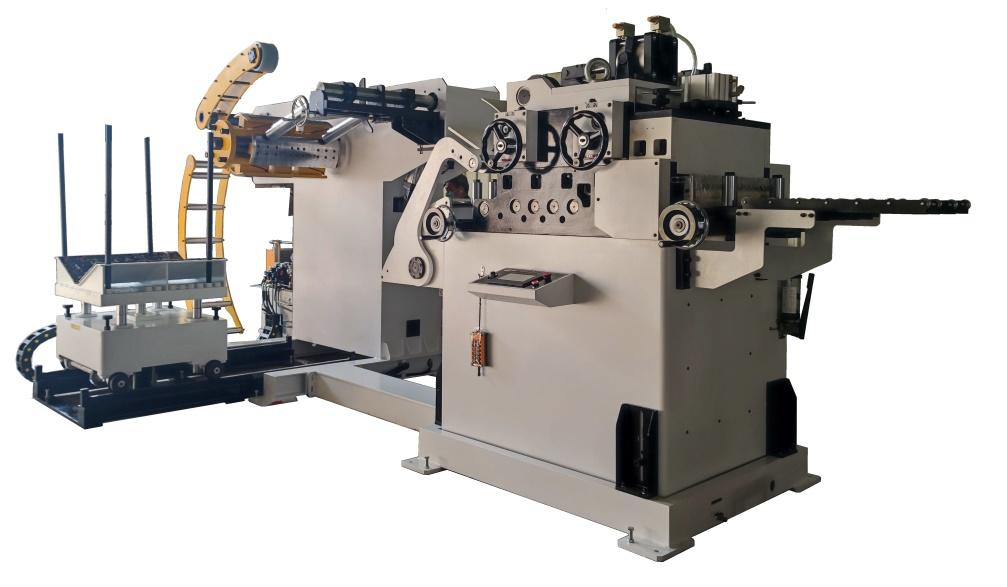
产品图(侧面/运行状态) “Heavy plate decoiler straightener feeder in operation processing 6mm thick hot-rolled steel coil”

Voici quelques idées de sujets de blog pour 3IN1 Heavy Plate Servo Decoiler, Leveler, and Feeder System :

# Exploring the 3IN1 Heavy Plate Servo Decoiler, Leveler, and Feeder System: Technical Advantages and Innovations In the realm of industrial manufacturing, efficiency and precision are paramount. The 3IN1 Heavy Plate Servo Decoiler, Leveler, and Feeder System epitomizes these ideals by integrating three critical functions into a single, streamlined unit. This sophisticated apparatus is designed to enhance productivity while maintaining high standards of flatness and accuracy, essential for various applications, from automotive to aerospace industries. In this article, we will delve into the technical advantages of this system, exploring its core components, operational efficiencies, and innovative technologies that set it apart in the market. ## 1. Overview of the 3IN1 System The 3IN1 Heavy Plate Servo Decoiler, Leveler, and Feeder System combines the processes of decoiling, leveling, and feeding into a single machine, enabling manufacturers to optimize their workflow. This integration not only saves space but also minimizes setup time, thereby increasing overall operational efficiency. With its compact modular design, the system can be easily integrated into existing production lines, making it a versatile choice for manufacturers looking to modernize their equipment. ### 1.1 Decoiling Decoiling refers to the process of unwinding coiled metal sheets or plates to prepare them